
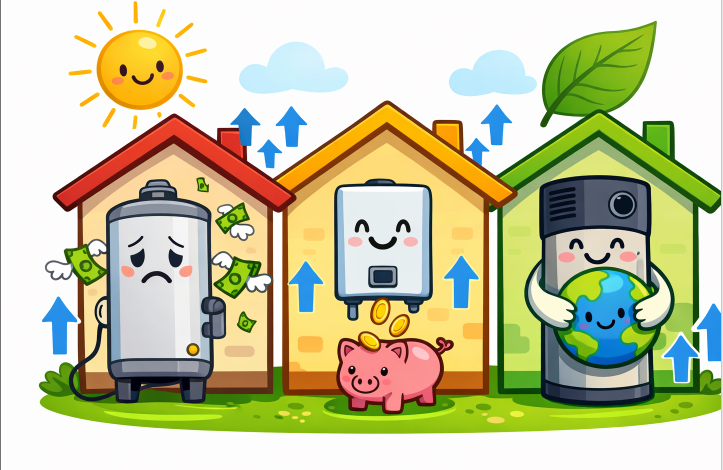
Water heating comprises about 13 percent of an average household’s energy use, making it a major driver of monthly utility expenses. By updating your water heater and using smarter heating practices, you can achieve substantial cost savings while also benefiting the environment. For those looking to take immediate action, working with water heater replacement plumbers in Orem Utah ensures your upgrade is completed professionally and efficiently.
Choosing the right water heater goes beyond cost savings; it can also positively impact your home’s carbon footprint. Modern water-heating technologies have made significant strides in efficiency, delivering long-term savings for your wallet and the planet.
Homeowners now have numerous options that combine performance and savings. Understanding how each system works and which features matter most can help you make a well-informed choice for your home.
Investing in high-efficiency water heaters is also one of the most effective ways to reduce household emissions. According to the U.S. Department of Energy, water heaters rank as the second-largest energy user in most homes, just behind heating and cooling systems.
Understanding Water Heater Efficiency
The efficiency of any water heater is measured by the Uniform Energy Factor (UEF), which reflects the percentage of energy transferred into hot water compared to the total energy consumed. Traditional tank-style heaters typically offer UEF ratings from 0.63 to 0.95. This means a standard heater can waste up to 37 percent of the energy used, contributing to higher bills and unnecessary energy loss.
In comparison, more advanced technologies have dramatically improved efficiency. For example, heat pump water heaters can have UEF ratings of 3.3 to 4.1, meaning they are 330 percent to 410 percent efficient. These higher ratings represent major strides in both cost savings and environmental responsibility.
Heat Pump Water Heaters
Heat pump water heaters (HPWHs) are among the most energy-efficient options for residential use. Instead of generating heat directly, HPWHs extract heat from the surrounding air and transfer it to the water, significantly reducing the electricity required.
According to the Department of Energy, switching to an HPWH can lower a household’s energy consumption by up to 80 percent. This translates to an estimated $500 in annual savings for average families, an especially significant amount over the lifespan of the heater. Additionally, time-of-use and hourly pricing models can help reduce energy costs by another 23 percent to 28 percent. These savings illustrate why homeowners are increasingly considering heat pump systems for their next upgrade.
Tankless Water Heaters
Referred to as on-demand water heaters, tankless systems heat water only as it is needed. This setup eliminates the standby losses experienced by central tank-style models, which must constantly maintain a reservoir of hot water. For smaller households that use about 41 gallons of hot water each day, tankless products are about 24 percent to 34 percent more efficient than conventional tanks.
Even high-usage homes averaging 86 gallons per day can benefit, as tankless water heaters offer 8% to 14% greater efficiency than standard tanks. In addition to reducing utility bills, tankless systems also provide an unlimited supply of heated water, a valuable feature for growing households or homes with high simultaneous demand.
ENERGY STAR Certified Models
Purchasing an ENERGY STAR-certified water heater is one of the best ways to guarantee top-tier performance and savings. These appliances have met or exceeded the energy efficiency criteria set by the Environmental Protection Agency, ensuring you get the most value for your investment.
An ENERGY STAR unit can save a family of four up to $600 per year compared to less efficient models. The payback period for the initial investment in the most efficient models typically ranges from 2 to 3 years, making it a wise and sustainable choice for most households. To compare models and efficiency ratings, consult the U.S. EPA’s ENERGY STAR guide.
Government Initiatives and Standards
The United States Department of Energy is setting new energy-efficiency standards for water heaters, scheduled to take effect in 2029. These updates are designed to save Americans about $11.4 billion every year on energy and water bills by lowering the overall energy consumption of residential water heating systems by approximately 21 percent.
These government-driven changes provide additional motivation for homeowners to switch to efficient heating solutions. By getting ahead of the proposed standards, you may further benefit from rebates, tax credits, and reduced energy costs in the years leading up to and following the new regulations.
Additional Tips for Reducing Water Heating Costs
- Lower the Water Heater Temperature. Set your water heater thermostat to 120 degrees Fahrenheit instead of the typical factory setting of 140 degrees. This simple adjustment can lower annual energy costs by up to $61.
- Insulate Water Heater and Pipes. Adding insulation to your water heater and the first six feet of hot and cold pipes can reduce heat loss, increasing the overall efficiency of the system.
- Regular Maintenance. Flushing the water tank a few times a year removes sediment, improves heat transfer, and extends longevity.
- Use Cold Water for Laundry. Wash clothes in cold water whenever possible to reduce your hot-water use and energy consumption.
Conclusion
Modernizing your water heating system with efficient solutions, such as heat pumps and tankless water heaters, delivers substantial savings and meaningful reductions in energy use. When paired with practical, everyday conservation steps, these upgrades make a measurable difference for both your energy bills and the environment. Staying informed about advances in technology, government policies, and best practices ensures that your next water heater investment is supported by resilience, sustainability, and cost-efficiency.