
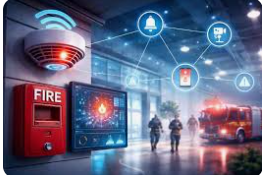
In today’s fast-paced world, rapid communication is essential in saving lives during emergencies. The evolution of alarm-monitoring technologies has drastically improved how urgent situations are reported and managed, enhancing safety for communities everywhere. Modern systems have replaced slow manual processes with instant, automated transmission of alarm data, transforming the landscape of emergency response. For organizations seeking to maximize their emergency response capabilities, solutions such as https://www.quickresponse.net/monitoring-solutions/asap-to-psap/ demonstrate how digital advancements can streamline communication between alarm companies and public safety agencies.
Digital alarm monitoring is no longer a luxury but a necessity for municipalities and first responders striving to keep pace with the increasing complexity of emergencies. Automated protocols, fortified by smart technologies, now enable emergency communications centers to receive precise, real-time information about incidents, resulting in faster dispatches and better outcomes. The reliability and accuracy of these systems minimize delays and simplify the demanding roles of emergency responders, ensuring a higher level of public safety in critical situations.
The implementation of digital alarm transmission has brought about a paradigm shift in emergency management. Instead of relying on traditional notification methods, which could take several minutes due to manual processes, digital systems transmit alarm data directly to the relevant emergency centers in just seconds. Communities and businesses are thus better protected against fires, medical incidents, and other emergencies. Automation not only bridges communication gaps but also ensures every piece of crucial information reaches the right people at the right time.
For a comprehensive overview of how technology is influencing emergency response and the challenges first responders face in the digital age, readers can refer to this article on the need for real-time response in enterprise safety systems.
Digital Transmission of Alarm Data
Traditional alarm systems often required human intervention, typically a phone call from a monitoring center to a dispatch operator. This step could introduce delays, as key details may be lost or miscommunicated. With digital transmission protocols now in place, the entire sequence is automated. Data moves from the source alarm through secure networks and directly into emergency management systems, often initiating a response within 15 seconds. This advancement has significantly reduced emergency notification times, reducing risks and improving outcomes for those involved.
Digital systems support a variety of alarm types, including fire, intrusion, and medical alerts. Many municipalities use standards such as ASAP-to-PSAP, which link alarm service providers directly with emergency dispatch centers. This direct connection leads not only to faster response times but also to more precise sharing of incident details, such as location and nature of the emergency. For more information on the ASAP-to-PSAP program, visit the official ASAP website.
Automation Reduces Human Error
Manual data entry is inherently prone to mistakes, especially in high-pressure scenarios where every second counts. Automated alarm monitoring systems eliminate this vulnerability by feeding information directly into emergency dispatch databases without the need for human transcription. This seamless integration drastically reduces the risk of errors, such as incorrect addresses, misinterpreted circumstances, or missed updates.
The automation of alarm data transmission also allows dispatchers to focus on their core tasks, like coordinating responders and maintaining situational awareness. Responders receive accurate, real-time data, including essential details such as hazard information, building layouts, and the number of people involved in the emergency. The overall result is a more coordinated response that can save lives and property.
Integration of Smart Technologies
The emergence of smart technologies such as artificial intelligence (AI) and Internet of Things (IoT) devices has elevated alarm monitoring to new heights. AI-driven analytics can review alarm data for signs of false alarms or emerging hazards. At the same time, IoT sensors in homes and businesses provide granular data on temperature, motion, and air quality.
Using smart systems, emergency responders often know what they are walking into before they arrive at the scene. For example, live video feeds, environmental sensor readings, and access control logs can all be streamed directly into a responder’s device. This combination of advanced analytics and real-time situational data enables better decision-making, allowing resources to be allocated more effectively and safely.
Case Studies of Improved Response Times
Across the United States, regional emergency communications centers have reported remarkable performance improvements after adopting modern alarm-monitoring systems. In Illinois, one center’s deployment of an automated alarm transmission protocol eliminated the need to rely on phone calls from monitoring companies. This shift saved dozens of work hours each month and sped up the delivery of vital information needed for dispatching first responders.
Other cities have witnessed their response times decrease from several minutes to under twenty seconds, a change that can make the difference between life and death. The automation and integration of smart systems also lead to savings on operational costs, as staff can redirect their attention to more valuable tasks, and fewer errors mean less potential liability from delayed or botched responses. For additional examples and analysis, readers can visit this feature on the impact of real-time technology in public safety.
Future Trends in Alarm Monitoring
The evolution of alarm monitoring technology is far from complete. Industry experts anticipate further expansion in the use of live video, audio feeds, and sensor data integrated into the early stages of emergency response protocols. Such advancements promise an environment in which all first responders have instant access to comprehensive information, further decreasing response times and increasing effectiveness.
Additionally, collaboration between public and private sectors is expected to deepen, resulting in more robust, standardized solutions for rapid emergency data sharing across platforms and jurisdictions. Community preparedness and resilience will continue to benefit from these advancements, ensuring that safety infrastructure keeps up with modern risks and demands.
Modern alarm monitoring technologies are a cornerstone of effective emergency response. By embracing digital transmission, automation, and smart technology integration, communities and agencies deliver faster, more reliable assistance when it matters most. As these technologies grow and improve, their positive impact on public safety will only continue to expand.