
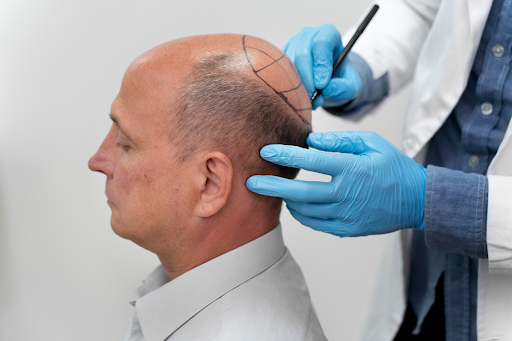
While many people currently discuss minimally invasive options, the Follicular Unit Transplantation (FUT) or “strip” method remains a gold standard for those needing significant volume and density. By removing a small strip of donor tissue, surgeons can harvest a high number of quality grafts in a single session.
If you are planning an FUT hair transplant in Raleigh, NC, achieving a natural look and a well-healed donor site requires careful preparation and diligent aftercare. Here are the essential tips to ensure the best possible outcome for your restoration journey.
Choose an Experienced Surgeon
The success of a strip hair transplant is highly dependent on the skill of the surgeon. Because this method involves a surgical incision, the way the donor area is closed is vital for minimising the appearance of a linear scar.
When researching specialists, look for those with a long history of performing FUT. A skilled surgeon will use advanced techniques, such as a trichophytic closure, which allows hair to grow directly through the scar tissue. This makes the fine line much easier to hide, even with shorter hairstyles.
Focus on Scalp Laxity
One unique factor for strip hair transplants is scalp laxity—how loose or flexible the skin on the back of your head is. A more flexible scalp allows the surgeon to harvest a healthy strip of donor tissue without creating too much tension during the closure.
In the weeks leading up to your procedure, your surgeon might recommend specific “scalp exercises.” These simple movements involve gently massaging and shifting the scalp skin to improve its elasticity. Better laxity often leads to a narrower, flatter scar and a more comfortable recovery.
Pre-Operative Health and Habits
To give your new grafts the best environment to grow, you should prepare your body in the weeks before your session:
- Manage Medications: Discuss all supplements and medications with your surgeon. You will likely need to pause blood thinners, fish oil, and certain vitamins at least two weeks before surgery to reduce the risk of bleeding.

- Avoid Alcohol and Smoking: Both can impair blood flow to the scalp. Stopping smoking at least a week before and avoiding alcohol for a few days prior helps ensure your follicles receive the oxygen they need to survive the move.
- Scalp Care: Arrive with a clean scalp, free of any styling products or sprays. If you have a history of dandruff, your surgeon may suggest using a medicated shampoo in the week leading up to the procedure.
Diligent Post-Operative Care
The first 10 to 14 days after your FUT hair transplant in Raleigh, NC, are the most critical for graft survival.
Protecting the Grafts
Avoid touching, rubbing, or scratching the recipient area. The new grafts are delicate and need time to firmly anchor into the skin. When washing your hair, follow your surgeon’s instructions precisely—usually involving a gentle “patting” motion with a mild shampoo rather than scrubbing.
Managing the Donor Area
Because FUT involves sutures or staples, you may feel some tightness at the back of the head. Sleeping with your head elevated on a few pillows for the first few nights can help reduce swelling and tension on the incision line. Keep the donor area clean to prevent crusting, which allows the skin to heal smoothly.
Monitor Your Activity Levels
While you may feel ready to return to your normal routine quickly, you must avoid strenuous exercise for at least two weeks. Heavy lifting or intense cardio increases blood pressure and can cause strain on the donor incision. This strain is a leading cause of “scar stretching,” where the fine line becomes wider than intended. Stick to light walking until your surgeon gives you the all-clear.
Patience Through the Shedding Phase
It is important to remember that the hairs in the transplanted follicles will likely fall out within the first month. This is a normal part of the process. The “bulb” of the follicle remains healthy under the skin and will begin to sprout new hair in three to four months.
Full results for strip hair transplants are typically visible between 12 and 15 months. During this time, maintaining a healthy diet rich in vitamins and minerals will support the ongoing growth and strength of your new hair.
Long-Term Maintenance
Even after a successful transplant, it is wise to continue a maintenance plan to protect your non-transplanted hair. Many patients use supportive treatments like minoxidil or laser therapy to ensure the surrounding hair remains thick and healthy.
By combining the technical expertise of a specialist with your own commitment to aftercare, you can achieve a dense, natural-looking result that lasts a lifetime. Proper preparation for strip hair transplants ensures that the transition is smooth and that your new hair grows exactly as planned.