
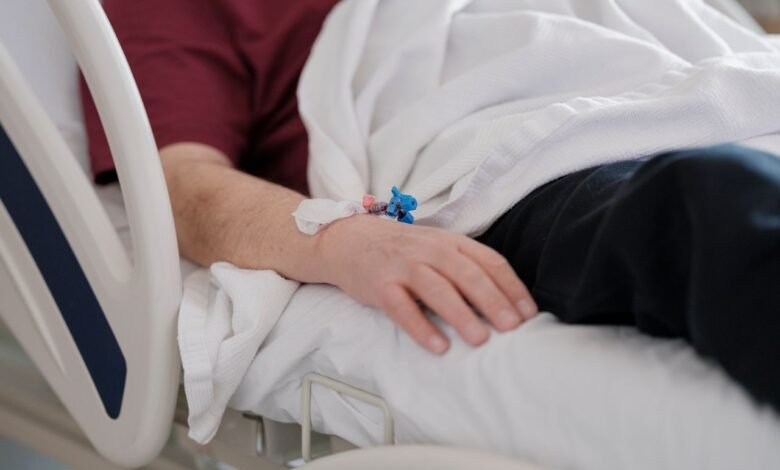
Breaking the cycle of addiction is rarely as simple as making a conscious decision to stop. Substance use disorders fundamentally alter brain chemistry, creating an overwhelming physical and psychological dependency that can make quitting feel impossible—especially when you remain in the environment where the addiction developed. When daily stressors, negative influences, and familiar triggers constantly pull you back, the most effective solution is to completely change your surroundings. For many individuals, entering a comprehensive inpatient drug rehab is the critical turning point that bridges the gap between active addiction and lifelong recovery.
Choosing to enter a residential treatment facility is a profound act of self-preservation. It requires stepping away from the daily routine and dedicating 100% of your energy to profound healing. At top-tier facilities like Nova Vital Recovery in North Louisiana, inpatient care is designed to provide safety, medical supervision, and rigorous psychological support. Let’s explore the essential components of a highly effective residential program, what to expect during your stay, and how this immersive environment equips you with the tools needed to build a durable, sober future.
Why Choose Residential Treatment?
When exploring recovery options, individuals and families often weigh the differences between outpatient care and residential treatment. While outpatient programs are excellent for those transitioning out of active rehab or dealing with milder substance use disorders, inpatient care is uniquely designed for those who require a highly structured, immersive healing environment.
Removing Environmental Triggers
One of the most significant barriers to early recovery is the presence of environmental triggers. Remaining in your current living situation means you are constantly exposed to the same stressors, people, and locations associated with your substance use. Residential rehab removes these distractions entirely. By relocating to a peaceful, sober sanctuary—such as Nova Vital’s sprawling campus in Ruston, Louisiana—patients are granted the physical and emotional space necessary to focus solely on their recovery. This separation from daily life drastically reduces the immediate risk of relapse during the fragile early days of sobriety.
24/7 Medical and Clinical Support
Active addiction takes a severe toll on the body. Attempting to navigate the physical withdrawal and the intense psychological cravings alone can be dangerous and is often the primary reason people abandon their recovery efforts. Inpatient care provides round-the-clock supervision by a team of medical professionals, nurses, and clinical therapists. This ensures that any acute medical needs, sudden psychiatric distress, or intense cravings are addressed immediately, keeping the patient safe, comfortable, and focused on their treatment goals.
The Core Elements of Effective Inpatient Care
A premier residential treatment program is far more than just a place to stay; it is a meticulously structured clinical environment that utilizes evidence-based therapies to reprogram destructive behaviors and thought patterns.
Safe Medical Detoxification
The journey to lasting sobriety must begin with a clear mind and a clean system. For individuals with a high physical dependency on drugs or alcohol, the first step of residential care is a medically supervised detox. Because withdrawal symptoms can be severe, an inpatient facility provides a safe, closely monitored environment where medical staff can administer medications to ease discomfort and stabilize vital signs. Completing detox within the same facility where you will undergo residential treatment ensures a seamless transition into the psychological work of recovery.
Highly Structured Daily Schedules
Addiction thrives in chaos; recovery thrives in routine. Inpatient programs are characterized by highly structured daily schedules designed to keep patients engaged, accountable, and focused. At facilities like Nova Vital Recovery, residents participate in extensive daily programming. This often includes a minimum of four and a half hours of group therapy per day—typically split into comprehensive morning and evening sessions—alongside weekly one-on-one individual counseling. Educational classes are woven into the schedule, breaking down the neurobiology of the disease of addiction and equipping patients with practical relapse prevention strategies. This rigorous structure helps residents rebuild a sense of healthy discipline and purpose.
A Holistic, Dual-Diagnosis Approach
Modern addiction medicine recognizes that substance abuse rarely exists in a vacuum. A superior inpatient facility embraces a “whole-person” philosophy, treating not just the addiction, but the complex emotional and psychological factors that fuel it.
Addressing Co-occurring Mental Health Disorders
A significant percentage of those struggling with substance use disorders are simultaneously battling mental health conditions such as severe anxiety, depression, trauma, or PTSD. This is known as a co-occurring disorder. If a rehab program only treats the surface-level addiction while ignoring the underlying mental health struggles, the foundation of recovery will remain fragile. Top residential centers utilize a dual-diagnosis approach, combining psychiatric care with addiction counseling. By diagnosing and treating these underlying conditions simultaneously, clinicians empower patients to heal the root causes of their dependency.
Experiential and Whole-Person Therapies
Healing the mind requires more than just sitting in a therapist’s office. Premier inpatient facilities integrate experiential and holistic therapies into their curriculums to promote comprehensive well-being. Access to on-site gyms allows patients to rebuild physical strength and naturally restore dopamine levels through exercise. Dedicated art therapy rooms provide non-verbal, creative outlets for processing deep-seated trauma and complex emotions. By treating the mind, body, and spirit as an interconnected system, whole-person care fosters a much deeper and more resilient form of recovery.
The Importance of a Custom-Tailored Environment
Healing requires an environment that fosters vulnerability, safety, and deep introspection. The physical layout and culture of an inpatient facility play a massive role in the overall efficacy of the treatment.
Safe, Distraction-Free Accommodations
A truly effective residential program minimizes external distractions to maximize internal growth. Facilities that prioritize patient comfort—such as offering private rooms and maintaining separate residential wings for men and women—create a uniquely safe space. Gender-specific housing allows patients to process deeply personal traumas and relationship issues without the added social pressures or distractions that can arise in mixed environments. This level of thoughtful accommodation ensures that every ounce of a patient’s energy is directed inward toward their own healing process.
The Power of Peer Support and 12-Step Integration
Isolation is a primary catalyst for addiction. In an inpatient setting, individuals are surrounded by a community of peers who intimately understand the pain and challenges of substance abuse. This shared experience fosters a profound sense of camaraderie and mutual accountability. Many premier programs integrate the proven philosophies of the 12-Step program alongside evidence-based clinical methods. Through group therapies and peer-led support systems, patients learn that they are not alone in their struggles. They draw strength from the community, forming bonds that often last long after the residential program concludes.
Transitioning to Lasting Sobriety
Completing a 28-day or longer residential program is a monumental achievement, but it is not the finish line. Addiction is a chronic condition, and the true test of an inpatient program’s success is how well it prepares its patients for the transition back into everyday life.
Relapse Prevention Planning
During the final phases of an inpatient stay, the clinical focus shifts heavily toward the future. Therapists work closely with clients to construct a highly personalized relapse prevention plan. This involves identifying specific environmental triggers, recognizing internal emotional warning signs, and mapping out exact, step-by-step strategies to deploy when cravings strike. Patients practice boundary-setting, stress management, and distress tolerance techniques, ensuring they leave the facility armed with a tangible toolkit for navigating real-world challenges.
Aftercare and Alumni Programs
A high-quality treatment center views discharge not as an end, but as a transition to a new phase of care. A robust aftercare plan is critical for sustained sobriety. This may involve stepping down into an Intensive Outpatient Program (IOP), transitioning to a sober living home, or maintaining weekly appointments with a local therapist. Additionally, top-tier facilities offer vibrant alumni programs that keep former patients connected through support meetings, community events, and ongoing check-ins. This continuous continuum of care ensures that the individual remains anchored to their recovery community, drastically reducing the likelihood of a relapse.
Take the First Step Toward Your New Life
The grip of drug and alcohol addiction is overwhelming, but you do not have to fight this battle alone. Entering a residential treatment program is a courageous decision to prioritize your health, your future, and your authentic self. By stepping into a highly structured, medically supervised, and deeply compassionate environment, you give yourself the ultimate gift: a clean slate and a real chance at lasting freedom.
If you or a loved one is struggling with substance dependency, the time to seek professional intervention is right now. The highly experienced, multidisciplinary team at Nova Vital Recovery in North Louisiana is dedicated to providing the whole-person care you need to safely break the chains of addiction. With comfortable private rooms, specialized dual-diagnosis care, and a customized recovery plan tailored precisely to your needs, healing is within your reach.
READ ALSO: Study Habits That Help Pre-Health Students Handle Scenario-Based Admissions Tests





One Comment