
Does Teeth Whitening Really Work? Effectiveness, Safety, and What You Need to Know

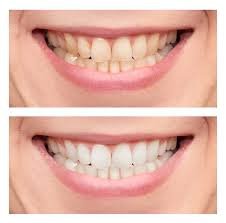
Teeth whitening has become one of the most popular cosmetic dental procedures, appealing to those who want a brighter, more attractive smile. But does whitening really live up to its claims? As more people seek out options both at home and in the dentist’s chair, understanding how teeth whitening works and what it can realistically achieve is more important than ever. For many, learning about the benefits of teeth whitening is the first step toward a whiter smile.
The growing demand for teeth whitening has led to a wide variety of solutions, from whitening toothpastes to intensive in-office treatments. Each method promises noticeable results, but individual results can vary based on the type of discoloration and the chosen technique. Whether you are curious about DIY options or considering professional whitening, knowing what to expect can help you set realistic goals.
It’s also important to be aware of both the advantages and potential drawbacks of each approach. With so many products and professional services available, confusion can arise about which methods are most effective and safest for your specific needs. Ultimately, making an informed decision about teeth whitening involves balancing cosmetic goals with oral health.
Dental professionals, such as the team at Advanced Smiles Marion, are a valuable resource when deciding which whitening option suits you best and how to maintain your results. With their expertise, you can navigate the many teeth whitening options and avoid common pitfalls.
How Teeth Whitening Works
Teeth whitening works by using bleaching agents, typically hydrogen peroxide or carbamide peroxide, that penetrate the enamel to break up stains. These active ingredients target both surface stains and deeper discoloration caused by foods, drinks, tobacco, or aging. As the bleaching agents break down the pigments, causing yellow or brown hues, the teeth appear lighter and brighter.
The whitening process can be tailored to different levels of staining. For mild stains, a lower concentration may be used for gradual whitening. For intrinsic or stubborn discoloration, professional techniques rely on higher-concentration agents to deliver quicker and more dramatic results.
Common Teeth Whitening Methods
Several teeth whitening methods cater to different schedules, budgets, and whitening needs:
- Whitening Toothpastes and Rinses: These products remove some superficial stains through mild abrasives and relatively low levels of bleaching agents. They offer gradual results over time.
- Over-the-Counter Whitening Strips and Gels: Usually applied daily for a couple of weeks, these products deliver noticeable brightening for many users by utilizing higher concentrations of bleaching chemicals than toothpastes.
- Custom-Fitted Trays: Provided by dentists, these whitening trays are tailored to fit your teeth for even coverage. With professional-grade gels, this method may yield more significant and lasting results.
- In-Office Whitening Treatments: Professional whitening treatments offer the fastest and most noticeable improvement, often brightening teeth by several shades in a single session.
Effectiveness of Teeth Whitening
Research from reputable sources indicates that both over-the-counter and professional teeth whitening methods can enhance your teeth’s color by several shades. The most significant improvements are typically seen with in-office procedures, while at-home kits and strips can lead to moderate, yet satisfying, changes.
The extent of whitening depends on factors such as your teeth’s original shade, the types of stains present, and your oral hygiene habits. It’s also important to understand that teeth whitening is not a permanent solution; regular treatments or good maintenance practices are necessary to keep your teeth bright over time.
Safety and Potential Side Effects
Scientific studies show that teeth whitening is safe for most individuals when product instructions are followed. However, mild side effects such as temporary tooth sensitivity or gum irritation are common, especially if too much product is used at once or if the procedure is repeated too often.
Over-whitening may lead to enamel damage or gum problems, emphasizing the importance of moderation and professional guidance. People with dental restorations, such as crowns, veneers, and fillings, should also be cautious, as these materials do not respond to whitening treatments.
DIY Teeth Whitening Methods
DIY whitening remedies from household ingredients like baking soda, activated charcoal, and fruit acids have attracted attention online. However, dental health experts warn that these methods may offer little proven benefit and may even be damaging to tooth enamel and gums. The American Dental Association advises using only tested and clinically approved whitening products to prevent accidental harm and ensure effective results.
Maintaining Whitened Teeth
Long-lasting whitening results depend on your commitment to oral hygiene and diet:
- Brush and floss regularly to remove plaque and bacterial buildup.
- Limit beverages and foods known to stain teeth, such as coffee, red wine, and tea.
- Drink staining drinks through a straw to minimize enamel exposure.
- Schedule professional cleanings with your dentist to keep your smile bright.
When to Consult a Professional
Consulting with a dentist before beginning any whitening process is strongly recommended, particularly if you have sensitive teeth, existing dental work, or a history of oral health problems. A professional can assess whether you are a good candidate and suggest the best approach based on your dental profile and whitening goals.
Dentists can also identify the source of any discoloration and rule out underlying issues such as tooth decay or gum disease before recommending a specific whitening method.
Conclusion
Teeth whitening, when used with realistic expectations and under appropriate guidance, can deliver excellent results for many people. Understanding the science, potential risks, and maintenance strategies gives you the information needed to achieve a brighter, healthier-looking smile.