
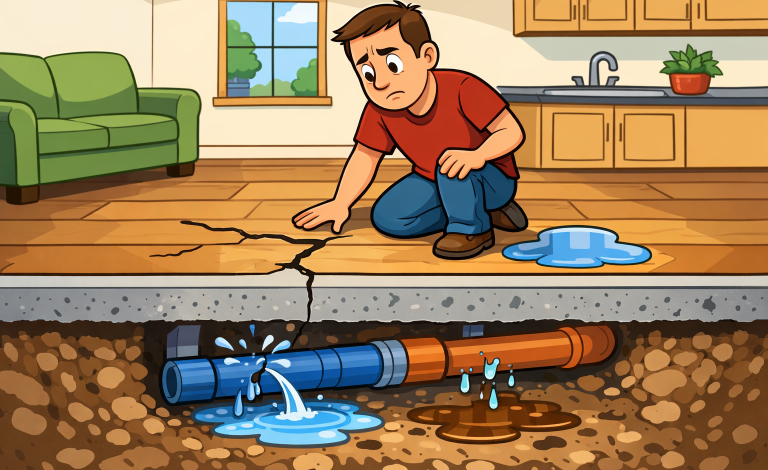
Slab leaks pose a hidden yet serious risk for homes with concrete foundations, often developing out of sight until significant damage occurs. Detecting these leaks early can save homeowners from structural repairs and financial surprises. If you suspect an issue, trusted slab leak detection plumbers in Ruston LA can help diagnose and repair these hidden threats before they escalate.
Because slab leaks can compromise your home’s integrity, understanding the warning signs, diagnostic steps, and preventative strategies is critical. Addressing these leaks promptly is key to avoiding costly structural damage and unhealthy indoor conditions.
Every homeowner should be aware of how to recognize and respond to potential slab leaks, whether through practical at-home checks or by knowing when to reach out to a professional. This comprehensive guide will walk you through the essential techniques and signs, empowering you to take action and protect your home effectively.
Before you begin any inspections, it is worth noting that ignoring these issues can result in mold growth, unsafe living environments, or compromised foundation stability. Regular vigilance and proactive steps are needed for lasting peace of mind.
Understanding Slab Leaks
Slab leaks occur in the water supply or drain lines buried beneath the concrete slab of your home. Common causes include corrosion of pipes from minerals in water, shifts in the surrounding soil, or improper installation during the initial build. When these pipes leak, escaping water can erode the foundation, damage flooring, and even foster hazardous mold growth if left unresolved.
Awareness of how slab leaks happen helps homeowners stay alert for early warning signs and reduce the risk of major property loss.
Common Signs of Slab Leaks
Monitor your property for these typical symptoms of a slab leak:
- Sudden Unexplained Water Bills: A spike in usage often points to leaks hidden below the surface.
- Persistent Sounds of Water Running: Water noises when no fixture is in use may indicate leakage below the slab.
- Warm Spot Detection: Heated floors in a specific area, particularly on tile or hardwood, can signal a hot water line leak beneath the foundation.
- Visible Cracks: Unusual foundation, floor, or wall cracks could be a consequence of ongoing water damage under the slab.
- Mildew or Musty Odors: Mold growth from hidden moisture under floors may produce an unexplained musty smell inside your home.
Noticing any of these warning signs is reason enough to investigate further and, if needed, call a specialist.
Conducting a Water Meter Test
Try a water meter test to help confirm the presence of a leak:
- Turn off all faucets, appliances, and fixtures that use water inside and outside the home.
- Locate the main water meter and record the reading.
- Wait for a period of at least fifteen to thirty minutes without using any water.
- Check the meter again. Any movement or increased reading when no water is used signals a potential leak in your system.
Listening for Running Water
At quieter times of day or night, place your ear near floors or baseboards to listen for water movement. Sometimes using a metal screwdriver, with its tip pressed to the floor and your ear against the handle, can help amplify the sound. Continuous hissing or rushing noises often suggest leakage in a hidden location beneath the slab. Distinct differences in sound between areas could help you narrow down the source of the leak.
Feeling for Warm Spots on Floors
Walk barefoot in all rooms, particularly over tile or hardwood, feeling for unexpected warm spots. Warmth in isolated areas generally points to a leak in the hot water line beneath the surface. These heat patches often persist even when the rest of the floor is cool. Take note of the area where warmth is found, and convey this information to a plumber if professional repair is required.
Inspecting the Exterior Foundation
Regularly check the exterior perimeter of your home for pooling water, persistently damp soil, or cracks in the foundation. These signs could mean water has seeped from a leak below and is making its way outward. If left unchecked, this external moisture can lead to foundation shifts or further compromise the home.
When to Call a Professional
If personal checks or water meter tests indicate a slab leak, consult a licensed plumber experienced in slab leak detection. Professionals use advanced tools such as acoustic listening devices and thermal imaging to zero in on the exact location without causing unnecessary property damage. Their expertise is essential when repairs involve breaking through concrete or extensive pipe replacement, ensuring the problem is handled efficiently and safely.
Preventive Measures
Reduce your risk of slab leaks by:
- Checking water bills monthly and investigating unexpected rises right away.
- Scheduling annual plumbing inspections with a licensed contractor.
- Ensuring all plumbing work is completed to code and that pipes use corrosion-resistant materials.
- Promptly repairing small leaks or moisture problems to prevent larger issues.
Staying proactive and alert to early warning signs minimizes long-term expenses and preserves the safety of your home.
READ ALSO: Raw Materials to Finished Cement: The Full Production Line Process Explained