
Table of Contents
- Pre-Writing Activities
- Alphabet Tracing Games
- Storytelling with Pictures
- Interactive Writing Prompts
- Sensory Writing Experiences
- Collaborative Writing Projects
- Incorporating Technology
- Conclusion
Introducing young children to writing sets the foundation for a lifelong love of learning. Educators and parents can spark excitement in early writers by using interactive and imaginative activities. For a more structured approach, explore helpful lesson plans from Studentreasures Publishing to enhance the early writing journey.
Capturing the interest of kindergarten students requires creativity and flexibility. Activities that target the development of fine motor skills, creativity, and collaboration make writing accessible and enjoyable for young learners. With varied approaches, each child can find something that resonates and inspires them to write with confidence and joy.
Early writing does not always mean sitting quietly with pencil and paper. Instead, it can include hands-on tasks, storytelling with visuals, and dynamic games that encourage children to express themselves. Tailoring activities to varied interests and developmental stages builds a positive foundation for future academic success.
From simple pre-writing exercises to innovative uses of technology, these strategies provide a well-rounded experience for new writers. For credible insights on early childhood education and writing development, see resources like the National Association for the Education of Young Children.
Pre-Writing Activities
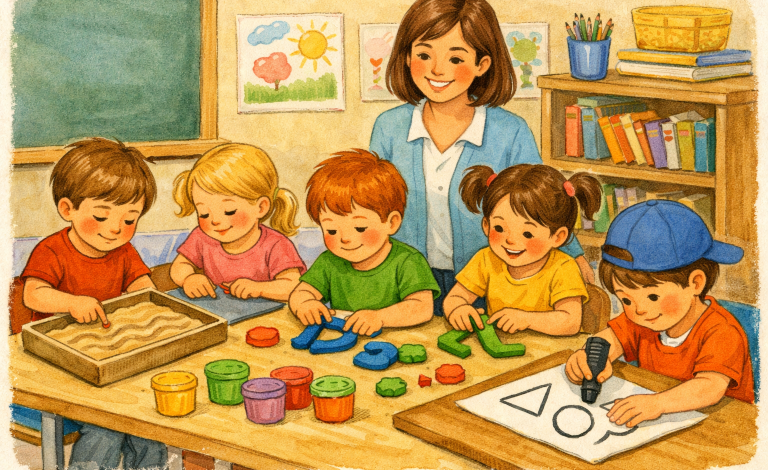
Building fine motor skills is a crucial step before children begin forming letters and words. Activities such as drawing lines, shapes, and patterns with a finger in sand or with markers on paper help strengthen the muscles needed for writing. Innovative tools like squishy gel bags allow learners to practice the movements involved in writing without traditional writing instruments, reducing anxiety and making learning fun.
Pre-writing tasks also include threading beads, making shapes with playdough, and lacing cards. These tactile experiences not only foster control and coordination but also keep young writers engaged and entertained.
Another effective pre-writing activity is “trace-the-path” games using toy vehicles or fingers on printed tracks that match the movement patterns found in letter shapes. Water painting is also a fun, low-mess adaptation for practice. Give children paintbrushes and let them “paint” letters with water on a chalkboard or driveway, watching their marks vanish. Additionally, using stamps with different textures or rolling pins with patterns develops the same hand and finger muscles necessary for holding a pencil, while making the process feel like play rather than work.
Alphabet Tracing Games
Hands-on alphabet tracing activities reinforce letter recognition and muscle memory. Children can trace letters using crayons or markers, and multisensory materials like sandpaper or textured cards introduce additional sensory feedback. Offering alphabet mats or cards for group and solo play creates an engaging, collaborative environment for learning. Incorporate songs and chants to make tracing more memorable and help with letter sounds.
For extra engagement, turn tracing into a game by hiding letter cards around the classroom and encouraging children to find them and trace each letter they collect. Alphabet puzzles, where each piece is a different letter, further reinforce recognition as children fit the pieces into their matching spots. You could also introduce air tracing, where children use their whole arms to trace large letters in the air, combining gross and fine motor movement for better kinesthetic learning.
Storytelling with Pictures
Visual prompts, such as a series of illustrated cards or a colorful picture book, encourage children to narrate and sequence stories before translating them into words. Invite children to describe what is happening, invent character names, or predict outcomes based on an image. This builds narrative skills while boosting confidence in spoken and written language. Displaying student-created drawings and encouraging peers to guess the story is another interactive approach.
Extend this activity by encouraging children to create simple comic strips or storyboards, drawing multiple scenes that show the progression of a story. Encourage them to use speech bubbles or labels to introduce written words alongside their illustrations, gradually moving from pictures to sentences. For group work, encourage pairs to swap their story pictures and write a sentence about what they think is happening, building connections and sparking new ideas about how stories can be constructed and interpreted.
Interactive Writing Prompts
Children become motivated to write when they see the connection to their own experiences and interests. Use prompts related to their families, favorite animals, or recent adventures. For example, asking, “What would you do if you found a magical door in your backyard?” generates curiosity and invites imaginative responses. Allow children the freedom to respond using both words and drawings as they build vocabulary and comfort with writing.
Seasonal and holiday-themed prompts can also help inspire ideas: “Write about your favorite part of autumn” or “Draw and describe your dream snowman.” Incorporate group brainstorming sessions, where children collectively contribute to a list of story ideas and then select one to expand on individually or in pairs. This collaborative approach helps those who may struggle to begin writing on their own and nurtures a sense of classroom community.
Sensory Writing Experiences
Adding a sensory component creates lasting memories and supports the learning process. Writing letters in shaving cream or tracing words in trays filled with rice supports kinesthetic learning styles. Building letters with playdough or using finger paints appeals to different learning preferences and makes writing an enjoyable, low-pressure activity. For more on the importance of multisensory learning, consult expert insights from NAEYC.
Consider integrating scents and textures by adding a few drops of vanilla or lavender to the materials or using glitter glue for added visual and tactile interest. Outdoors, children can use sticks to “write” letters in the dirt or sand, connecting their learning to nature. Rotate activities frequently to keep children engaged and ensure each child finds a sensory approach that suits their learning style and preferences.
Collaborative Writing Projects
Collaborative activities help kindergarteners learn from one another and build positive social skills. Projects like making a class storybook, where every child adds a page or sentence, promote teamwork and shared creativity. Group writing exercises can include writing letters to family members, storytelling circles, or creating posters together. These experiences not only foster communication skills but also help children appreciate the value of working together.
Classroom publishing parties, where children read their group-created books aloud, offer an authentic audience and boost excitement about writing. You could also establish a “writer’s corner,” where children pair up to edit or illustrate each other’s stories, further nurturing a sense of ownership and pride over their work. By sharing projects within the classroom or sending them home, both children and parents celebrate writing milestones together.
Incorporating Technology
Interactive apps and digital whiteboards are powerful tools in the modern classroom. Educational programs designed for early writers feature games that teach letter formation, spelling, and storytelling. Children can illustrate digital stories, record their own voices, or use drag-and-drop activities to build sentences. While technology should complement hands-on activities, it offers another dimension to support individualized and group learning, especially for visual and auditory learners.
Many classrooms now utilize tablets, allowing children to use stylus pens for digital handwriting practice, which mirrors the action of pencil and paper while providing instant feedback. Online collaborative platforms let entire classes contribute content to a shared story, increasing social interaction and excitement. Teachers may also project children’s digital stories on a screen, highlighting creative achievements and creating a culture that values all forms of writing expression.
Conclusion
An engaging and varied approach to writing activities in kindergarten lays the groundwork for lifelong literacy and learning. By combining tactile experiences, creative storytelling, interactive technology, and collaborative projects, educators can meet the diverse needs and interests of young learners. Every child can develop confidence and joy in writing when given the right tools and encouragement from the very beginning.
Ultimately, creating a nurturing environment that values creative risk-taking, experimentation, and self-expression helps children see themselves as authors from day one. Whether through drawing, tracing, group storytelling, or digital platforms, the goal is to create joyful, meaningful experiences that foster both foundational writing skills and a lifelong passion for learning. Encouraging families to participate in writing adventures at home, such as keeping a family journal or writing letters to relatives, ensures children see writing as a treasured and enjoyable part of daily life both inside and outside the classroom.