Hair loss in women can be difficult to manage, especially when it affects overall appearance and confidence. While there are several treatment options available, one method that continues to be widely used is follicular unit extraction (FUE) hair transplant. This approach focuses on restoring natural hair growth by relocating healthy hair follicles to areas affected by thinning or loss.
For women considering this procedure, understanding the factors that influence results is important. A successful outcome is not only about the procedure itself but also about preparation, technique, and aftercare. This article outlines the key elements that contribute to better results with FUE hair transplant for women, particularly in Florida where this treatment is commonly available.
Understanding FUE Hair Transplant for Women
FUE hair transplant is a minimally invasive procedure that involves extracting individual hair follicles from a donor area, usually the back or sides of the scalp, and placing them into areas with thinning hair.
Unlike older methods, FUE does not require a large incision or stitches. This makes it a suitable option for women who prefer a less invasive approach and want to avoid noticeable scarring.
How FUE Differs for Women
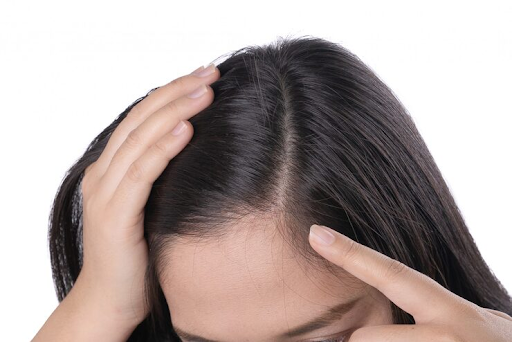
Hair loss patterns in women are often different from those in men. Instead of a receding hairline, women usually experience diffuse thinning across the scalp. This means careful planning is required to ensure even coverage and a natural look.
A tailored approach is essential. The surgeon must consider existing hair density, scalp condition, and the overall pattern of hair loss before proceeding.
Proper Candidate Selection
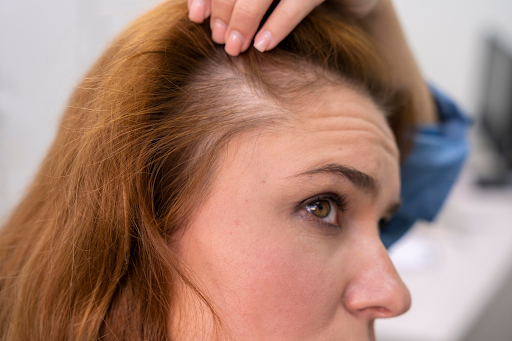
Not all cases of hair loss are suitable for FUE hair transplant. One of the most important factors for success is determining whether the patient is a good candidate.
Suitable Conditions
Women who may benefit from FUE include those with:
- Stable hair loss patterns
- Sufficient donor hair
- Thinning in specific areas rather than widespread loss
Conditions That May Affect Results
Certain conditions can limit the effectiveness of a transplant, such as:
- Active scalp disorders
- Severe diffuse thinning
- Medical conditions that affect hair growth
A proper consultation helps identify these factors early and prevents unrealistic expectations.
Importance of Donor Hair Quality
The donor area plays a key role in the success of an FUE hair transplant. Healthy, dense donor hair increases the chances of achieving natural-looking results.
Evaluating the Donor Area
During assessment, the practitioner will examine:
- Hair density
- Hair thickness
- Scalp flexibility
Strong donor hair allows for better coverage and improves the long-term outcome of the procedure.
Maintaining Donor Area Health
After extraction, the donor area needs time to heal. Proper care ensures minimal visible signs and supports future hair growth in the remaining follicles.
Skill and Experience of the Practitioner
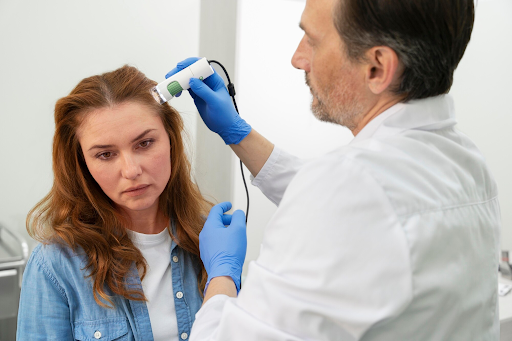
The experience of the practitioner performing the procedure is one of the most critical factors.
FUE requires precision. Each follicle must be extracted and implanted at the correct angle and depth to match natural hair growth.
Why Technique Matters
Poor technique can lead to:
- Unnatural hair direction
- Low graft survival rate
- Uneven density
Choosing a qualified clinic in Florida with experience in female hair restoration can improve the likelihood of a successful result.
Customised Hairline Design
For women, the hairline is usually preserved, so the focus is often on increasing density rather than creating a new hairline. However, in some cases, adjustments may still be needed.
Creating a Natural Appearance
A well-planned design considers:
- Facial structure
- Existing hair pattern
- Age-appropriate density
The goal is to ensure that the transplanted hair blends seamlessly with natural hair.
Number of Grafts and Coverage
The number of grafts used during the procedure directly affects the final outcome. Too few grafts may not provide enough coverage, while too many can place unnecessary stress on the donor area.
Balancing Density and Safety
A balanced approach is important. The practitioner must ensure:
- Adequate coverage in thinning areas
- Preservation of the donor region
- Even distribution of grafts
This balance helps achieve consistent and natural-looking results.
Pre-Treatment Preparation
Preparation before the procedure can influence both the surgery and recovery.
Steps Before the Procedure
Patients are often advised to:
- Avoid certain medications that may affect bleeding
- Maintain a healthy diet
- Follow specific scalp care instructions
Good preparation supports better healing and graft survival.
Post-Treatment Care
Aftercare is a major factor in achieving success with FUE hair transplant for women. The newly implanted follicles are delicate and need proper care to establish growth.
Immediate Aftercare
In the first few days, patients should:
- Avoid touching or scratching the scalp
- Follow washing instructions carefully
- Limit physical activity
Long-Term Care
Ongoing care may include:
- Using recommended hair products
- Attending follow-up appointments
- Monitoring hair growth progress
Consistent care helps protect the transplanted follicles and improves results over time.
Realistic Expectations
Understanding what FUE can achieve is essential. Hair growth does not happen immediately, and results develop gradually.
Hair Growth Timeline
- Initial shedding may occur within the first few weeks
- New growth usually begins after a few months
- Full results may take up to a year
Patience is important, as the process takes time.
Role of Additional Treatments
In some cases, combining FUE with other treatments can improve results.
Supporting Hair Growth
Additional options may include:
- Scalp treatments to improve circulation
- Medical therapies to slow further hair loss
- Nutritional support
These methods can help maintain both transplanted and existing hair.
Choosing a Florida Hair Transplant Clinic
Florida offers a wide range of clinics that specialise in hair restoration. Selecting the right clinic is an important step.
What to Look For
When choosing a provider, consider:
- Experience with FUE hair transplant for women
- Clear consultation process
- Transparent treatment plans
- Before-and-after case examples
A reliable clinic will provide honest guidance and avoid overpromising results.
Conclusion
Achieving success with FUE hair transplant for women depends on several factors, from proper candidate selection to skilled execution and ongoing care. The procedure itself is only one part of the process.
In Florida hair transplant, access to experienced practitioners and advanced techniques makes it easier for women to explore this option. With the right approach, FUE can improve hair density and support a more balanced appearance.
Careful planning, realistic expectations, and consistent aftercare all contribute to better outcomes. For women dealing with hair thinning, understanding these factors can help in making informed decisions about treatment.