
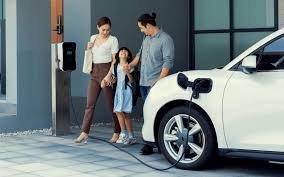
As electric vehicles (EVs) continue to gain popularity, more homeowners are considering the benefits of having a dedicated home charging station. Installing your own EV charger can maximize convenience, reduce reliance on public charging infrastructure, and add value to your property. If you are ready to enhance your EV ownership experience, click here for more information about reputable installation options and advice.
Setting up a home charging station is not just a plug-and-play process. Careful planning and following industry best practices are crucial for optimal results. From assessing your home’s electrical capacity to complying with relevant codes, being informed can help ensure both safety and efficiency while potentially saving you money.
Assess Your Home’s Electrical Capacity
The first step in preparing for an EV charger installation is evaluating your home’s current electrical system. Level 2 chargers, which most homeowners prefer for their speed and versatility, require a 240-volt outlet on a dedicated circuit. Most modern homes equipped with a 200-amp service panel can accommodate this demand with little trouble, but older properties may require panel upgrades or additional circuits. Homeowners should consult a qualified electrician to inspect the current setup, identify any necessary improvements, and provide a safe plan for expansion, if needed.
Choose the Right Charger Type
Electric vehicle supply equipment (EVSE) comes in two predominant levels for residential use:
- Level 1 Chargers: These units use standard 120-volt household outlets and typically deliver about 3 to 5 miles of range per charging hour. They are best suited for overnight, low-mileage driving.
- Level 2 Chargers: These chargers use a 240-volt circuit and can add 12-60 miles of range per hour, depending on your vehicle and the charger’s specifications. They are the preferred choice for most EV owners who need faster charging for daily commutes.
When selecting a charger, ensure that its amperage and charging speed match both your vehicle’s onboard charger and your home’s available power. Some EVs can also accept higher amperages for even quicker charging, which may influence your purchasing and installation decisions.
Hire a Licensed Electrician
It is essential to hire a licensed electrician for EV charger installation. A professional will assess your home’s electrical panel, recommend or perform necessary upgrades, and ensure your installation complies with all relevant standards and codes. Electricians will also pull the required permits and handle inspections, providing an added layer of safety and peace of mind. Installation costs can fluctuate depending on the distance from the panel, wall-drilling requirements, and any system upgrades. Acquiring multiple quotes from experienced electricians can help you secure the best deal and understand your options.
Explore Incentives and Rebates
Homeowners should research available incentives and rebates for EV charger installations. In the United States, many utility providers, state energy offices, and federal programs offer financial incentives that can significantly reduce your installation costs. The U.S. Department of Energy provides a comprehensive overview of available programs and tax credits. You may also find savings from your local power company or municipal government, which sometimes provide additional incentives as part of broader green energy initiatives.
Consider Future Needs
Planning ahead when installing an EV charger can pay dividends in flexibility and future savings. Consider selecting a charger with a higher capacity, or installing additional circuits now, if you anticipate upgrading to a larger battery EV or adding a second vehicle. Choosing a mounting location with room to grow can also make a substantial difference if your family’s transportation needs expand. Assess garage or driveway layouts for ease of access and consider cable length, connectivity options, and weatherproofing if installing outdoors.
Maintain Your Charging Equipment
Proper maintenance is vital for safety and maximizing the lifespan of your EV charging station. Regularly inspect charger cables and connectors for wear or damage, and ensure the charging area remains clean and unobstructed. Many manufacturers provide specific guidance on cleaning, storage, and periodic software updates to keep everything functioning at peak efficiency. Following maintenance protocols can help prevent unnecessary repairs and interruptions to your EV charging routine.
Conclusion
Installing a residential EV charger is a smart investment that streamlines your electric vehicle charging experience. By thoroughly assessing your home’s electrical capacity, choosing the right charger, hiring qualified professionals, researching financial incentives, considering your future needs, and maintaining your equipment, you can enjoy safe and efficient charging for years to come. Planning and proactive decision-making help support your transition to cleaner, more sustainable transportation.