
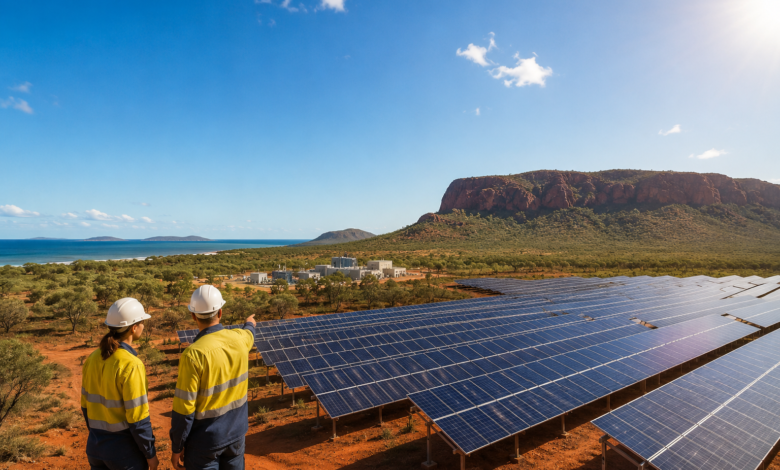
Darwin and Northern Australia are perfectly positioned to capitalise on the explosion of solar energy generation. With ample sunshine throughout the year and an increase in investment into renewable energy infrastructure, the introduction of solar power will revolutionise how people and business in Darwin access electricity.
There are several reasons for the growth of solar power in Darwin. Firstly, Darwin has some of the highest solar radiation levels in Australia, making it possible to install PV (photovoltaic) systems (solar panels) at a low cost. This means many homeowners will see a significant reduction in their electricity consumption, particularly during hot summer months, when air conditioning is required all year-round due to the Darwin weather. In addition, the consistent sunlight hours throughout the year make solar energy generation far more predictable compared to other regions, allowing for better system design and improved long-term efficiency.
Secondly, the benefits of solar energy to the typical homeowner extend beyond reduced electricity bills. The increasing number of residential and commercial PV (solar) installations will also reduce the overall demand placed on the electricity distribution system, thereby reducing the likelihood of power interruptions during peak demand periods and enhancing the overall security of the electricity supply for all residents of Northern Australia. Over time, this distributed generation model also helps stabilise the grid by reducing strain on central power stations and improving resilience during extreme weather events or unexpected demand spikes.
Business owners in Darwin can also utilise the financial savings generated by the installation of PV (solar) systems at their commercial property. The investment in solar energy systems will reduce a business’s overall energy operating cost (overhead) and generate cash flow that can be applied to other operating expenses. In conjunction with this, there is a growing consumer and potential consumer awareness and concern regarding environmental sustainability and businesses that invest in PV (solar) solutions enhance their corporate sustainability rating. This can also improve brand reputation, attract environmentally conscious customers, and support compliance with emerging sustainability reporting standards that are becoming more common across Australia.
Government support for the use of solar energy has never been better than it is now in the Northern Territory. The introduction of both the Small-scale Renewable Energy Scheme and various Territory rebates have reduced the upfront cost of purchasing solar energy systems and are enabling more households and small businesses throughout the territory to afford them. These incentives have played a key role in accelerating adoption rates and making renewable energy more accessible to a wider range of income levels and property types.
Battery storage technology continues to develop rapidly which is providing the ability to store excess solar energy generated during the day and utilise it in the evening hours, thereby increasing both the financial value and reducing the reliance on grid power for all the residents of Darwin, thus providing a higher level of independent energy supply for the residents. As battery prices continue to fall and efficiency improves, more households are expected to adopt hybrid systems that combine solar panels with storage solutions for maximum energy independence and cost savings.
Due to the vast amount of sunlight that the Northern Territory receives, combined with the strong policy support from the government, will put the Northern Territory in a strong position to lead Australia in its transition to a clean energy future. This transition is expected to create new employment opportunities in installation, maintenance, and energy management sectors, further strengthening the local economy while supporting a more sustainable and resilient energy system for future generations.