Travel in Africa always gives one a different feeling, but when people choose a self-drive safari in Uganda, then the journey becomes more free, more wild, and more personal. Many travelers now only want guides and fixed tour packages. They want their own steering wheel, their own road plan, and their own adventure style. Uganda is one of the best countries for this type of travel because roads connect many national parks, people are friendly, and nature is still very raw and beautiful.
A Uganda safari can be luxurious, budget, or mid-range. But self-driving safaris give more control over money, time, and places you visit. You can stop near a lake, enjoy the village market, watch elephants from afar, or take pictures when you want. This kind of safari has become famous now because travelers want real experience and not only hotel-to-hotel movement.
Uganda is called the Pearl of Africa because mountains, forests, rivers, wildlife, and local culture all mix together in one country. A self-drive safari lets you enjoy this beauty slowly and deeply. In this article you will know about Uganda safari costs, best routes, important packing lists, driving tips, and why this adventure became a favorite for many world travelers.
Why Choose a Self-Drive Safari in Uganda
Many tourists think an African safari is always expensive and difficult. But Uganda changed this idea. Here you can rent a strong 4×4 vehicle and travel at your own speed. You can choose a small-budget road trip or a long wildlife expedition across the country.
The biggest reason people choose a self-drive safari is freedom. No need to wake up at a fixed hour because the guide says so. No pressure to follow group travelers. You can spend more time in a place you love and skip a place you do not enjoy much.
Ugandan roads also connect many top parks in one route. You can start from Kampala or Entebbe and move toward western Uganda, where most famous safari parks are located. Gorilla trekking, game drives, boat safaris, waterfalls, crater lakes, and mountain views are all possible in one trip.
Another good thing is local experience. During the self-drive journey you meet local people, roadside fruit sellers, village children, and small restaurants. This makes the safari feel more human and memorable.
Best Time for Uganda Self-Drive Safari
Uganda can be visited the whole year, but the dry season is always better for road trips and wildlife watching. The best months are:
- June to September
- December to February
During these months roads stay drier, and national parks are easier to drive through. Animals also come near water sources, so wildlife viewing becomes better.
Rainy seasons are still possible for a safari, but some roads become muddy, slippery, and difficult. If travelers choose rainy months, then a strong 4×4 vehicle is very important.
Uganda Safari Cost for Self-Drive Travelers
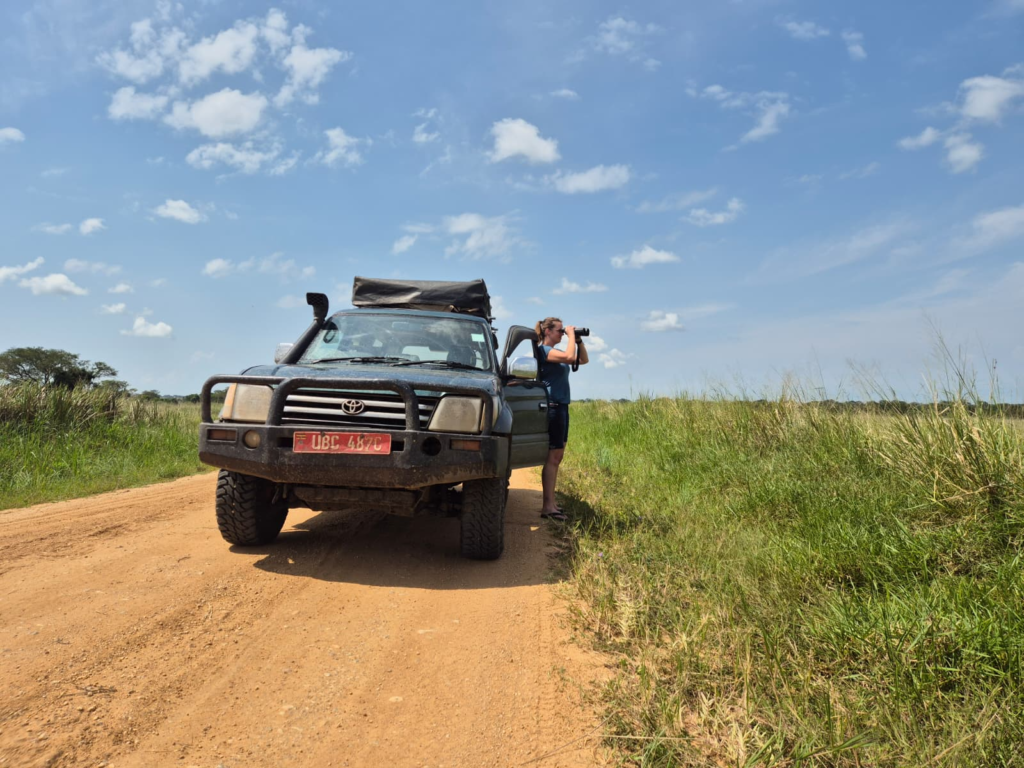
Many travelers ask first about Uganda safari costs before planning the trip. The good thing is Uganda is cheaper than many African safari destinations like Kenya or Tanzania.
Cost depends on:
- Vehicle type
- Fuel prices
- Park entrance fees
- Accommodation
- Food
- Activities
Vehicle Rental Cost
A strong safari vehicle is the most important thing. Common choices include:
- Toyota Land Cruiser
- Toyota Rav4
- Safari Van
Approximate daily rental prices:
- Budget Rav4: around 45 to 70 USD per day
- Land Cruiser Prado: around 90 to 150 USD per day
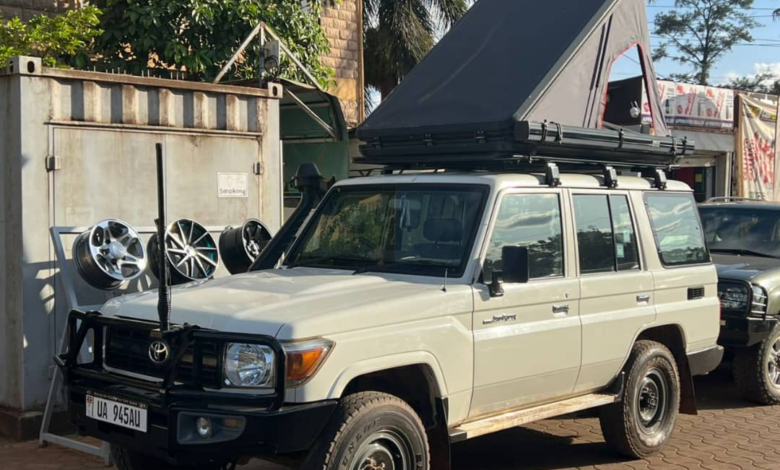
- Full safari Land Cruiser with rooftop tent: around 150 to 250 USD per day
Vehicles usually include spare tires, a jack, and sometimes camping equipment.
Fuel Cost
Fuel cost changes depending on route distance. Uganda safari trips usually cover long distances between parks. The average fuel budget for a one-week safari can be around 250 to 500 USD depending on the vehicle and route.
Park Entrance Fees
National parks in Uganda charge entrance fees. Some average prices are the following:
- Murchison Falls National Park: around 45 USD
- Queen Elizabeth National Park: around 40 USD
- Kibale Forest National Park: around 40 USD
A gorilla trekking permit is an expensive part of a Uganda safari cost. The permit for Bwindi gorilla trekking is usually around 800 USD for foreign non-residents.
Accommodation Cost
Uganda has many safari lodges and camps.
Budget:
- 20 to 50 USD per night
Mid-range:
- 80 to 200 USD per night
Luxury:
- 300 USD and more per night
Camping is also available in many parks, which reduces the safari budget strongly.
Food and Daily Expenses
Local restaurants are affordable. Travelers can spend:
- 5 to 15 USD for local meals
- 20 to 50 USD daily for a comfortable food budget
Overall, a one-week self-drive safari in Uganda can cost:
- Budget style: around 900 to 1500 USD
- Mid-range style: around 1800 to 3500 USD
- Luxury style: much higher depending on lodges and activities
Best Self-Drive Safari Routes in Uganda
Uganda has many beautiful safari circuits. Some routes are short and some are long adventure loops.
1. Kampala – Murchison Falls – Kibale – Queen Elizabeth – Bwindi
This is one of the most famous Ugandan safari routes.
Route Highlights
- Murchison Falls waterfalls and game drives
- Chimpanzee trekking in Kibale Forest
- Tree-climbing lions in Queen Elizabeth National Park
- Gorilla trekking in Bwindi Impenetrable Forest
This route gives a complete Uganda experience. Travelers see savannah, rainforest, lakes, mountains, and wildlife together.
Duration:
- Around 10 to 14 days
2. Kampala – Lake Mburo – Bwindi – Lake Bunyonyi
This route is good for shorter safaris.
Highlights
- Zebra viewing in Lake Mburo
- Gorilla trekking in Bwindi
- Relaxing at Lake Bunyonyi
Lake Bunyonyi is a peaceful place after long safari drives. Many travelers enjoy canoe rides and cool weather there.
Duration:
- Around 6 to 9 days
3. Northern Uganda Adventure Route
This route is less crowded and more unique.
Highlights
- Kidepo Valley National Park
- Karamoja culture
- Wild remote landscapes
Kidepo is one of Africa’s hidden safari gems. Roads are longer and rougher, but the scenery is unforgettable.
Duration:
- Around 10 to 15 days
Important Packing List for Uganda Self-Drive Safari
Packing smart is very important for safari success. Uganda weather can change quickly, especially in forest and mountain areas.
Clothes
Bring light and comfortable clothes:
- T-shirts
- Safari shirts
- Long trousers
- Warm jacket for evenings
- Rain jacket
Neutral colors like green, brown, and beige are best for a safari.
Footwear
Good shoes help a lot during gorilla trekking and walking safaris.
- Hiking boots
- Sandals
- Comfortable sneakers
Safari Essentials
Must-carry items include:
- Sunglasses
- Sunscreen
- Hat
- Insect repellent
- Power bank
- Camera
- Binoculars
- Reusable water bottle
Medical and Personal Items
Carry:
- Personal medicines
- First aid kit
- Wet wipes
- Hand sanitizer
Some remote safari areas have limited shops, so better carry important things before leaving the city.
Documents
Do not forget:
- Passport
- Driving license
- International driving permit
- Vehicle rental documents
- Safari permits
Keep copies both printed and digital.
Driving Tips for Uganda Safari
Driving in Uganda is exciting, but travelers should stay careful.
Drive Slowly
Animals can cross roads suddenly, especially near national parks.
Avoid Night Driving
Roads become difficult at night because lighting is poor and wildlife may cross highways.
Use Offline Maps
Internet signals are weak in remote areas. Offline navigation apps help a lot.
Fuel Early
Always fill fuel tanks before entering remote parks because petrol stations may be far away.
Respect Wildlife Rules
Never leave vehicles in unsafe zones. Keep distance from animals and follow park rules carefully.
Gorilla Trekking During Self-Drive Safari
One of the biggest reasons travelers visit Uganda is mountain gorillas. Bwindi Impenetrable National Park is world-famous for gorilla trekking.
A self-drive safari makes this experience more adventurous because travelers reach the forest through villages, hills, and winding mountain roads.
Gorilla trekking is not an easy walk. Forest trails can be muddy and steep. But seeing gorillas in the wild forest is an emotional and unforgettable moment.
Travelers should book permits many months earlier because availability becomes limited during high season.
Wildlife You Can See in Uganda
A Uganda safari offers more than gorillas only. Travelers can see:
- Lions
- Leopards
- Elephants
- Buffalo
- Hippos
- Crocodiles
- Giraffes
- Zebras
- Chimpanzees
- Many bird species
Queen Elizabeth National Park is especially famous for tree-climbing lions. Murchison Falls is known for its strong Nile River wildlife experience.
Uganda is also paradise for birdwatchers because more than one thousand bird species are found here.
Camping During Uganda Self-Drive Safari
Many travelers choose rooftop tent camping because it reduces Uganda safari cost and increases the adventure feeling.
Camping inside or near national parks gives a special experience. At night travelers hear hyenas, hippos, insects, and other wildlife sounds from darkness. This makes the safari feel real and wild.
Camping gear is often included with rental vehicles. Some campsites have shared bathrooms and cooking areas.
Challenges of Self-Drive Safari in Uganda
Even though a safari is amazing, some challenges also exist.
Road Conditions
Some roads become rough during the rainy season. Deep mud and potholes are common in remote areas.
Navigation
Signboards are not always clear. Good maps and route planning are necessary.
Long Driving Hours
Distances between parks can be long. Travelers should plan enough rest time.
Vehicle Problems
Flat tires sometimes happen on rough roads. Travelers should know basic vehicle handling or choose a rental company with emergency support.
Still, most travelers say these challenges become part of adventure stories later.
Tips to Save Money on Uganda Safari
Travelers who want lower Uganda Safari Cost can use these ideas:
- Travel in a small group and share vehicle cost
- Use camping instead of lodges
- Cook some meals yourself
- Visit during shoulder season
- Book vehicle early for better prices
- Combine parks in one efficient route
Self-driving is already cheaper than a fully guided private safari, especially for families or groups.
Final Thoughts
A self-drive safari in Uganda is one powerful adventure for travelers who love freedom, wildlife, and raw nature experiences. Ugandan roads may sometimes be rough, but the reward is unforgettable memories. You can wake up near waterfall sounds, watch elephants crossing roads, drive beside crater lakes, and stand face-to-face with mountain gorillas.
The beauty of a Uganda safari is not only the animals. It is also about local people, green landscapes, peaceful villages, and the feeling of discovering Africa with your own hands on the steering wheel.
Travelers who prepare well with the correct packing list, good route planning, and a smart budget can enjoy an amazing safari without spending extreme money. Uganda safari costs can stay reasonable compared to many other African destinations, especially when travelers choose the self-drive style.
For adventure lovers, photographers, backpackers, couples, and wildlife fans, Uganda remains one of Africa’s most exciting road trip destinations. A journey across this beautiful country is not only a vacation. It became a story that stayed in my heart for many years.