
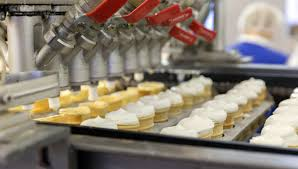
Scaling a food product without the right manufacturing setup is one of the fastest ways to kill a brand. Demand arrives, supply fails, and the retail window closes. food contract manufacturing is precisely what removes that bottleneck for growing Australian brands. With access to established equipment, trained production teams, and compliant facilities, brands can move from 1,000 units to 100,000 without rebuilding their entire operation. Here’s how it actually works in practice.
What Does Scalable Product Development Actually Mean?
Scalable product development means your product formula, your processes, and your supply chain can grow proportionally with demand. You’re not scrambling to find a bigger kitchen every time a retailer comes knocking. Your manufacturing capacity is already built for growth.
In Australia, food brands that build on contract manufacturing from the start have a structural advantage. They’re not locked into a fixed facility. They’re not carrying the overhead of owned equipment. They can increase production volume by extending their manufacturing schedule, not by buying capital equipment.
How Does Contract Manufacturing Support New Product Development?
Many Melbourne contract manufacturers offer product development support as part of their service offering. This means you bring a concept and they help translate it into a production-ready formula. They have food technologists, pilot kitchen facilities, and ingredient supplier networks that a standalone brand can’t replicate.
This matters enormously for brands that want to iterate quickly. Testing three different flavour variants or adjusting a texture profile takes days in a co-manufacturing facility. It would take months in a brand-owned small kitchen with no industrial equipment.
What Volume Growth Can Contract Manufacturing Support?
A well-resourced Melbourne contract manufacturer can typically scale from a pilot run of a few hundred units to a full production run of tens of thousands of units within the same facility, often within the same quarter. The capacity is already there. You’re accessing it on demand.
Australia’s food contract manufacturing sector is growing. The industry is projected to reach over $7 billion by 2027 according to IBISWorld analysis. That growth is driven partly by the increasing number of small and mid-sized food brands choosing contract manufacturing over owned production.
How Does Contract Manufacturing Reduce Time to Market?
Building your own food manufacturing facility in Melbourne takes 12 to 36 months and costs millions in capital. Fitting out an existing commercial space to food-grade standards, installing equipment, getting certified, and training staff takes most of that time.
Working with an established contract manufacturer compresses that to 8 to 16 weeks from concept to first delivery. The facility exists. The certifications exist. The team exists. You plug your product into an operational system. That speed difference is a real competitive edge in a fast-moving food market.
Can You Run Multiple Products Through the Same Manufacturer?
Yes, and this is one of the clearest advantages of contract manufacturing for growing brands. Once you have an established relationship with a manufacturer and your first product is in production, adding a second or third SKU is significantly faster than the first.
The manufacturer already knows your quality standards, your packaging preferences, and your compliance requirements. They’ve cleared allergen compatibility with your existing products. Adding new SKUs to the same facility builds on an existing system rather than starting from scratch.
How Does Ingredient Sourcing Scale With Production?
A contract manufacturer’s buying power grows with their overall production volume across all clients. As a brand producing through a larger Melbourne facility, you benefit from their supplier relationships and bulk purchasing. This keeps your ingredient costs more stable as you scale than if you were purchasing independently at small volumes.
Most contract manufacturers have multiple approved suppliers for key ingredients. This provides supply chain resilience. If one supplier faces an outage or quality issue, the manufacturer can switch to an alternate without stopping your production.
What Should You Negotiate as You Scale?
As your production volumes grow, your contract terms should evolve too. Larger volumes justify renegotiating per-unit pricing, lead times, and priority scheduling. Don’t assume these improve automatically. Bring data to the conversation. Show the manufacturer your sales trajectory and your projected order volumes for the next 12 months.
A manufacturer who values your growing business will negotiate. One who won’t engage on pricing despite significant volume increases is telling you something about how they view the relationship. The best contract manufacturing partnerships in Melbourne are genuinely long-term. They get better over time.