A Hospital That Feels Close to Home
Have you ever walked into a hospital and wondered if the people inside truly care about the community around them? Many hospitals provide treatment. Yet only a few build a real connection with the people they serve.
That is where Interfaith Medical Center stands out.
Located in Brooklyn, New York, this hospital has spent decades serving families across several neighborhoods. Patients arrive with many needs. Some need urgent care. Others need long-term treatment or simple guidance about their health. In each case, the goal stays the same. Provide reliable care and treat people with respect.
Today, Interfaith Medical Center continues to play an important role in community healthcare. It combines medical expertise with a strong commitment to residents.
The Story Behind Interfaith Medical Center
Hospitals rarely appear overnight. They grow through years of service and dedication.
Interfaith Medical Center has roots that stretch back to 1845. Over time, several healthcare institutions came together to form the modern hospital that exists today. The official establishment of the current organization took place in 1982.
Since then, the hospital has grown into a full-service nonprofit medical center.
The facility now contains 287 hospital beds and treats more than 11,000 inpatients every year. That number tells an important story. Thousands of people depend on the hospital for care and support.
The mission has remained simple. Deliver quality healthcare while strengthening the surrounding community.
Where the Hospital Is Located
Location matters when people need medical help. A hospital must be easy to reach.
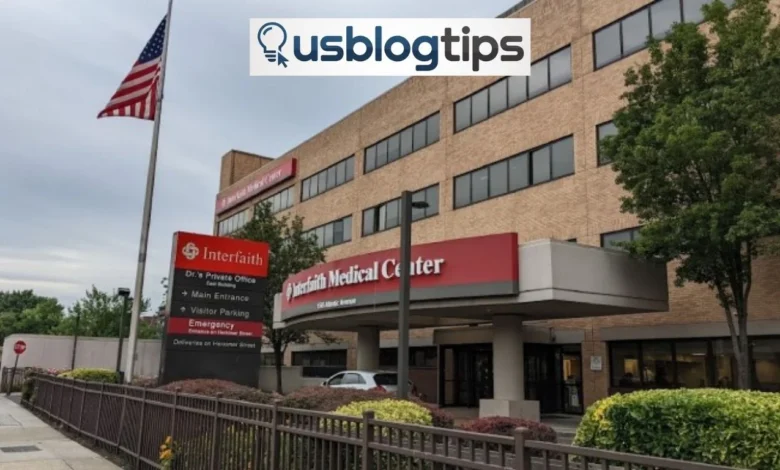
Interfaith Medical Center sits at:
1545 Atlantic Ave, Brooklyn, NY 11213, United States
The medical center serves several nearby neighborhoods, including:
- Crown Heights
- Bedford-Stuyvesant
- Prospect Heights
These areas hold diverse communities and families from many backgrounds. Because of that, the hospital focuses on inclusive healthcare that welcomes everyone.
Patients can contact the hospital directly through the Interfaith Medical Center phone number: +1 718-613-4000.
The hospital operates 24 hours a day so patients can receive care whenever emergencies happen.
A Hospital Designed for Community Care
Some hospitals focus mostly on specialized treatments. Others concentrate on research.
Interfaith Medical Center focuses on the community first.
Doctors, nurses, and healthcare staff work closely with residents of Brooklyn. They understand local health challenges and respond with practical solutions.
For example, the hospital offers services such as the following:
- Emergency care
- Primary care
- Surgical services
- Behavioral health programs
- Preventive health support
These services help patients receive treatment close to home. That reduces travel stress and improves long-term health outcomes.
Community hospitals like this often become the first place people turn when they need help.
Medical Services Patients Can Expect
Healthcare needs change over time. A good hospital adapts to those needs.
Interfaith Medical Center provides a wide range of medical services. Patients visit the hospital for both urgent and routine care.
Emergency services operate around the clock. Trained professionals respond quickly when serious health situations occur.
The hospital also offers inpatient treatment. That means patients who require longer care can stay in the facility while doctors monitor their recovery.
Outpatient services help people manage ongoing health conditions. These visits often include tests, consultations, and follow-up treatment.
Because of these options, patients can receive comprehensive care in one place.
Training the Next Generation of Doctors
Hospitals do more than treat patients. Many also train future healthcare professionals.
One important program is the Interfaith Medical Center internal medicine residency. This training program allows new doctors to gain hands-on experience in clinical medicine.
Residents work alongside experienced physicians. They learn how to diagnose illnesses, manage patient care, and respond to real hospital situations.
Programs like this strengthen the healthcare system. They prepare new doctors who will serve communities in the future.
International doctors also seek opportunities through the Interfaith Medical Center observership program. This allows medical graduates to observe clinical work in a U.S. hospital setting. As a result, they gain valuable insight into American healthcare practices.
Career Opportunities at Interfaith Medical Center
Hospitals depend on dedicated staff members.
Interfaith Medical Center regularly opens positions for medical professionals and support teams. The Interfaith Medical Center careers section often includes opportunities for:
- Physicians
- Nurses
- Medical technicians
- Administrative staff
- Healthcare support workers
Working in a community hospital can be rewarding. Employees often build strong relationships with patients and colleagues.
Those interested in joining the hospital can explore roles through the Interfaith Medical Center website and the hospital’s professional listings.
Finding Information Through the Hospital Directory
Large hospitals can feel confusing at first. Patients may wonder where to go or whom to contact.
That is why the Interfaith Medical Center directory plays an important role. It helps visitors locate departments, doctors, and services quickly.
Patients can search the directory to find specialists. They can also use it to connect with administrative offices.
Clear information reduces stress for patients who already face health concerns.
A Commitment to Patient Experience
Healthcare involves more than medicine.
Patients want to feel safe, understood, and supported. Interfaith Medical Center works to create that environment.
The hospital currently holds over 2,200 Google reviews from patients and visitors. Reviews reflect a wide range of experiences. Many patients praise staff members who showed kindness during difficult times.
Good communication plays a major role in patient satisfaction. Doctors explain conditions clearly, and nurses help patients understand treatment steps.
This approach strengthens trust between healthcare providers and the community.
Learning From Other Hospitals
Healthcare organizations often learn from each other.
For example, hospitals across the United States share ideas about patient care technology and treatment models. If you are curious about other medical centers, you may enjoy reading about Discovering Pikeville Medical Center: Care That Feels Personal.
Another example is the detailed guide on Top Specialties at Jamaica Hospital You Should Know, which highlights how hospitals develop specialized expertise.
These comparisons help readers understand how different hospitals contribute to modern healthcare.
Meanwhile, medical data companies also support hospitals by improving research and treatment strategies. A useful example appears in Flatiron Health: How Real-World Data Is Helping Change Cancer Care.
Why Community Hospitals Still Matter
Modern medicine often highlights large research hospitals. Yet community hospitals remain essential.
They provide immediate care close to where people live. They also offer preventive services that keep patients healthy before serious problems begin.
Interfaith Medical Center demonstrates this role clearly. Its mission focuses on improving local health outcomes.
Doctors treat patients from many cultures and backgrounds. That diversity encourages cultural understanding in healthcare.
In many ways, the hospital reflects the spirit of Brooklyn itself.
Technology and Modern Healthcare
Healthcare continues to evolve. Hospitals must adopt modern tools to stay effective.
Interfaith Medical Center invests in updated equipment and digital systems. These technologies support faster diagnosis and better patient monitoring.
Electronic records help doctors access patient histories quickly. Diagnostic imaging allows physicians to identify medical conditions earlier.
As technology improves, treatment becomes more accurate. Patients benefit from faster care and more reliable results.
Looking Toward the Future
Healthcare never stops changing.
Hospitals face new challenges such as growing populations, evolving diseases, and rising healthcare costs. Community hospitals must adapt while maintaining patient trust.
Interfaith Medical Center continues to expand services and improve patient care. The goal remains clear. Support the health of Brooklyn residents for generations to come.
When hospitals invest in people as well as technology, they create stronger communities.
And that is exactly what Interfaith Medical Center aims to do.
FAQs
What is the #1 hospital in Brooklyn?
Several hospitals in Brooklyn receive strong recognition, including NYU Langone Hospital Brooklyn and Maimonides Medical Center. Rankings often change depending on research performance, patient outcomes, and specialty services.
Who is Sandra Scott, CEO?
Sandra Scott serves as the chief executive officer of Interfaith Medical Center. She oversees hospital operations, strategic planning, and community health programs.
Which is the top hospital in Pakistan?
Some of the most respected hospitals in Pakistan include Aga Khan University Hospital in Karachi, Shaukat Khanum Memorial Hospital in Lahore, and Pakistan Institute of Medical Sciences in Islamabad.
What is a level 5 hospital?
A level 5 hospital usually refers to a highly specialized medical center that provides advanced treatment, research, and complex surgical procedures. These hospitals often serve as referral centers for other healthcare facilities.
Where is the biggest hospital in New York?
One of the largest hospital systems in New York is NewYork-Presbyterian Hospital, which operates several major facilities across New York City and treats hundreds of thousands of patients each year.