
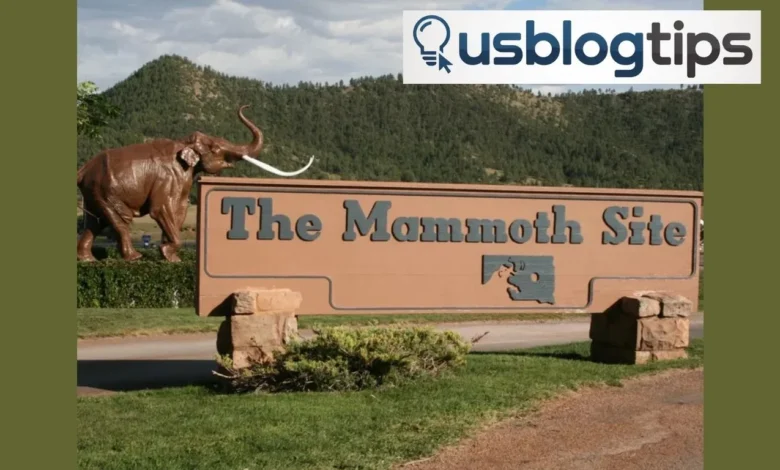
Have you ever stood face-to-face with a creature that towered over you thousands of years ago? What would it feel like to look down into a sinkhole filled with real Ice Age bones? If that sparks your curiosity, then the Mammoth Site might be the kind of place that stays with you long after you leave.
Tucked into the southern Black Hills, the Mammoth Site is more than a museum. It is a living dig site where scientists still work. Visitors do not just walk past glass cases. Instead, they step into a working paleontological excavation that continues to reveal new stories from the past.
Where Is The Mammoth Site in South Dakota?
So where is the mammoth site in South Dakota? You will find it near Hot Springs in the beautiful Black Hills region. The full address is 1800 US 18, Hot Springs, SD 57747, United States. The setting feels peaceful and almost hidden, which makes the discovery even more surprising.
The Mammoth Site sits above a prehistoric sinkhole. Long ago, that sinkhole trapped mammoths and other animals. Today, a large climate-controlled building protects the fossils and allows guests to explore the site year-round.
What Makes The Mammoth Site So Special?
Plenty of museums display fossils. However, the Mammoth Site offers something rare. You see the bones exactly where scientists found them. Researchers continue to uncover new specimens, which means the story keeps growing.
Unlike many exhibits that focus on a single skeleton, this site contains the remains of dozens of mammoths. Most of them belong to the Columbian mammoth, which once roamed across North America. Because the animals fell into the same sinkhole, scientists can study how they lived and how they died in one location.
That combination of research and public access sets The Mammoth Site apart from other attractions.
A Real and Active Dig Site
Is the Mammoth Site real? Yes, it is very real and very active. Paleontologists and students work on site throughout the year. When you visit, you might see them brushing dirt from ancient bones or carefully mapping new finds.
This ongoing excavation adds excitement to the experience. You do not just learn about history. You watch history unfold in real time. That sense of discovery makes each visit feel fresh.
Because the site continues to produce new fossils, scientists have gathered valuable data about Ice Age ecosystems. They study climate patterns, animal behavior, and even disease. As a result, the Mammoth Site plays an important role in modern research.
How Many Mammoths Have Been Found?
One of the most common questions visitors ask is how many mammoths have been found at the Mammoth Site. So far, researchers have uncovered the remains of more than 60 mammoths. Most were male Columbian mammoths.
This detail raises another interesting question. Why mostly males? Scientists believe young males often roamed alone or in bachelor groups. They may have been more likely to approach the warm water pond that once filled the sinkhole. Unfortunately, that curiosity may have led them into danger.
In addition to mammoths, researchers have discovered remains of other Ice Age animals. These include camels, llamas, and even a short-faced bear. Each find adds depth to the story of this ancient landscape.
Inside the Museum Experience
When you step inside The Mammoth Site, you enter a spacious structure built over the excavation area. Walkways allow you to look down into the dig while trained guides share stories and explain the science.
The guided tour remains the heart of the visit. Knowledgeable staff lead you through the site and answer questions along the way. They keep the tone engaging, which makes the science easy to follow.
After the tour, you can explore additional exhibits. These displays explain how fossils form and how researchers date bones. Interactive elements help younger visitors stay interested. Even adults often find themselves leaning in to read every detail.
Is The Mammoth Site Open?
If you are planning a trip, you might wonder about the hours. Is the Mammoth Site open? Yes, it welcomes visitors throughout the year, though hours can vary by season. It currently closes at 3:30 pm on regular days, so it helps to arrive earlier.
Before you travel, you can call ahead at +1 605 745 6017 to confirm the schedule. Checking in advance ensures you make the most of your visit.
How Long Does It Take to See the Mammoth Site?
Another common question is how long it takes to see the mammoth site. Most guests spend about one to two hours exploring. The guided tour usually lasts around 45 minutes. However, many people choose to linger in the exhibit areas afterward.
If you enjoy reading detailed displays or taking photos, you might want to allow extra time. The relaxed pace makes it easy to move at your own speed.
The Mammoth Site Photos and Memories
Many visitors search for the mammoth site photos before they arrive. While pictures give you a glimpse, they rarely capture the scale. Standing above a massive tusk or peering into a fossil-rich layer of earth feels very different from viewing it on a screen.
Photography is generally allowed, which means you can document your visit. Natural light filters through parts of the structure and creates dramatic angles. As a result, your photos often look striking even without special equipment.
Still, the best memories often come from the quiet moments. You might pause and imagine the ground shaking beneath a herd of mammoths. That simple reflection can turn a photo stop into something deeper.
The Mammoth Site Price and Tickets
If you are budgeting your trip, you might ask about the mammoth site price and tickets. Admission fees support ongoing research and maintenance of the excavation. Prices can change, so it is wise to check ahead of time before you go.
You can purchase the Mammoth Site tickets at the entrance. Some travelers combine their visit with other attractions in the Black Hills, which makes for a full day of exploration.
Compared to many large theme parks or commercial attractions, the Mammoth Site feels affordable. More importantly, your ticket directly supports scientific discovery.
Why Families Love The Mammoth Site of Hot Springs
The mammoth site of Hot Springs attracts families for good reason. Kids often arrive with wide eyes and endless questions. Guides welcome that curiosity and respond with patience.
Because the site blends storytelling with real science, children learn without feeling like they are in a classroom. They see tools, fossils, and working researchers, which brings textbooks to life.
Parents appreciate the educational value. Meanwhile, children remember the towering tusks and giant skulls. That balance makes visits rewarding for all ages.
A Broader Travel Experience in the Region
A trip to the Mammoth Site pairs well with other adventures. The Black Hills offer scenic drives and historic towns. If you enjoy nature-based travel, you might also explore parks and wildlife areas nearby.
For readers who like discovering unique attractions across the country, you can find more ideas on USBlogTips. The site highlights destinations that combine learning with fun.
You might also enjoy reading about the Frank Buck Zoo: A Small Texas Zoo with a Big Heart. While very different from The Mammoth Site, it shows how smaller attractions can create meaningful experiences.
If lakeside relaxation sounds appealing, consider Lake Texoma State Park: Oklahoma’s Perfect Getaway. Pairing educational stops with outdoor escapes can turn a simple road trip into something memorable.
For those interested in digital platforms and creative projects, you may also explore Jorbina for additional inspiration.
What Animal Is Coming Back in 2028?
You may have heard rumors about extinct animals returning. What animal is coming back in 2028? Some scientists and biotech companies have discussed efforts to revive species like the woolly mammoth through genetic engineering.
These projects remain complex and controversial. While researchers have made progress in gene editing, bringing back a fully functional Ice Age mammoth presents enormous scientific and ethical challenges.
Even if such efforts succeed in some form, they would not replace the value of places like the Mammoth Site. Fossils provide direct evidence of the past. They grounded speculation in real data.
Why The Mammoth Site Still Matters Today
It might seem odd to focus on animals that vanished thousands of years ago. Yet the Mammoth Site teaches lessons that feel relevant today. Climate shifts played a role in the Ice Age world. By studying those patterns, scientists gain insight into current environmental changes.
The site also reminds us that landscapes evolve. A peaceful hill in South Dakota once held a deadly trap. Over time, that trap became a treasure trove of knowledge.
When you stand above the excavation, you sense the passage of time. You realize that human history represents only a small chapter in a much longer story.
Planning Your Visit
If you plan to go, aim to arrive earlier in the day. This gives you enough time for the guided tour and extra exploration. Wear comfortable shoes since you will be walking and standing during the tour.
Consider combining your stop with other attractions in Hot Springs. The town offers warm water springs and scenic views. Together, they create a relaxed yet enriching getaway.
Before you leave, take a final look across the dig site. Ask yourself what else might still lie beneath the surface. That question captures the spirit of the Mammoth Site.
Final Thoughts on The Mammoth Site
So is the Mammoth Site worth visiting? If you enjoy history, science, or simply unique experiences, the answer is yes. The site blends education with genuine discovery. It invites questions and rewards curiosity.
You do not just learn about mammoths. You witness the careful work that uncovers their story. You see how evidence shapes understanding. Most of all, you feel connected to a world that existed long before ours.
Next time you find yourself in South Dakota, consider stepping into this remarkable excavation. Stand above the bones of giants. Let your imagination travel back to the Ice Age. Then carry that sense of wonder with you long after you return home.