
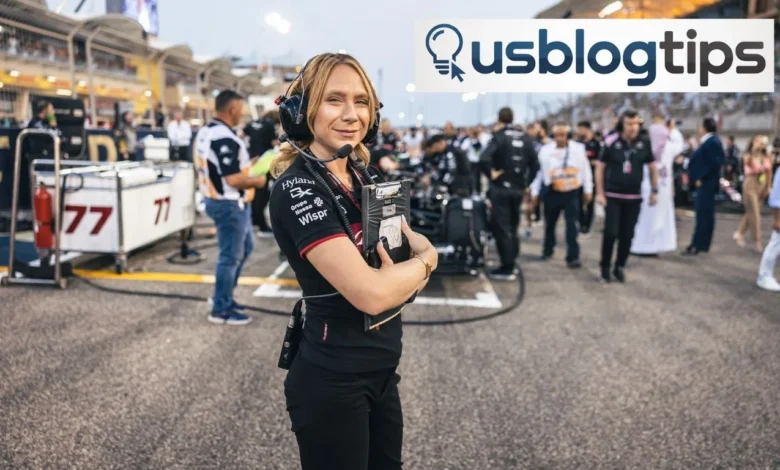
A Split Second Can Change Everything
What happens in a Formula 1 race when everything changes in an instant? A crash appears on the track. Rain begins to fall. Tires lose grip. In that moment, a team has seconds to decide what to do next. One wrong call can destroy an entire race.
So who helps make those high-pressure choices?
Behind the scenes, there is a strategist who studies data and predicts outcomes. One of the most respected names in that role is Ruth Buscombe. She has spent years studying race patterns and driver performance. Her work helps teams make decisions that often happen in a heartbeat.
Her career also raises another question. How did a young engineer from London become one of the most trusted strategic minds in motorsport?
Let’s explore her story and the role she plays in one of the fastest sports on Earth.
Early Curiosity That Sparked a Passion
Every career begins with curiosity. For Ruth Buscombe, that curiosity appeared early in life. She grew up in London and attended Forest School, where she developed strong interests in math and science.
Cars and racing fascinated her. Yet she was not just interested in speed. She wanted to understand how things worked. Why did some drivers win while others struggled? Why did tire strategy matter so much?
That curiosity guided her toward engineering.
Later, she studied at the University of Cambridge Department of Engineering. She graduated with first-class honors. The degree gave her strong analytical skills and deep technical knowledge.
However, academic success was only the beginning. Her real challenge waited in the world of Formula 1.
Entering the World of Formula 1 Strategy
Breaking into Formula 1 is difficult. Teams look for people who can think fast and handle pressure. Ruth Buscombe earned that opportunity in 2012 when she joined Scuderia Ferrari.
She started as a race strategist. The role demands constant focus. A strategist studies live data from the car while also predicting what rivals might do.
At first, the job may sound simple. Yet the reality is far more complex.
During a race, thousands of data points stream into the team’s systems. Tire temperatures change every lap. Fuel levels shift. Weather patterns evolve. The strategist must study all of it while the race continues at full speed.
Buscombe quickly proved she could handle the challenge. Her ability to process data and communicate clearly helped her earn respect inside the paddock.
What a Race Strategist Actually Does
Many fans watch Formula 1 for the drivers. Yet strategy often decides the outcome. A perfect pit stop at the right moment can change the entire race.
So what does a strategist actually do?
First, they monitor real-time data. Every lap reveals new information about tire wear and fuel consumption.
Next, they run simulations. These models predict how different strategies might unfold. Should the driver pit early? Should the team wait for a safety car?
Finally, they make recommendations to the race engineer and team management.
The process sounds technical. However, the key skill is clear thinking under pressure. A strategist must deliver answers quickly. There is no time for hesitation when cars travel over 300 kilometers per hour.
That ability to stay calm is one reason Ruth Buscombe became highly valued in the sport.
Why Split-Second Decisions Matter in Formula 1
Formula 1 races move at incredible speed. A lap can last fewer than ninety seconds. Yet strategy decisions often happen even faster.
Imagine this situation.
A crash occurs, and the safety car enters the track. Every team must decide whether to pit their driver immediately. If they wait too long, they may lose valuable track position.
Now add more complexity. Maybe rain clouds are approaching. Perhaps the driver reports tire degradation. Rival teams may also change their strategy.
Within seconds, the strategist must analyze the situation and choose a path.
This is the environment where Ruth Buscombe built her reputation. Her calm communication and careful analysis often helped teams react quickly without panic.
Turning Data Into Smart Racing Choices
Formula 1 produces enormous amounts of data. Each car sends information to the pit wall throughout the race.
However, raw numbers alone do not win races. Someone must translate those numbers into meaningful decisions.
Buscombe excels at this task. She studies patterns that others may overlook. For example, tire performance may drop after a certain number of laps. Weather data may suggest rain will reach the track sooner than expected.
By spotting these patterns early, she helps teams plan.
This process shows how modern racing blends engineering with strategy. It also explains why teams rely on specialists who can interpret data quickly.
Life Beyond the Pit Wall
Ruth Buscombe eventually moved into new roles within motorsport. Her deep knowledge of strategy made her a valuable voice for fans.
Today, many viewers recognize her work with F1 TV. As a presenter, she explains race strategy in simple terms. Her insights help fans understand why teams make certain decisions.
This transition also shows another side of her career. She enjoys sharing knowledge and encouraging more people to explore engineering.
Motorsport has historically been male-dominated. Seeing a female strategist succeed at the highest level sends a powerful message to young engineers around the world.
Personal Life and Public Curiosity
Success in the public eye often brings curiosity about personal life. Many fans search for topics like Ruth Buscombe’s marriage or whether she is still married.
While she has occasionally spoken about relationships, she tends to keep personal matters private. Her focus remains on motorsport and professional work.
Online rumors sometimes appear about accidents or dramatic events. However, there is little verified information behind many of those claims. Most stories circulating on social media have no confirmed sources.
This situation highlights an important lesson. Public figures often face speculation that spreads quickly online. Responsible reporting requires careful verification.
What Makes Ruth Buscombe Stand Out
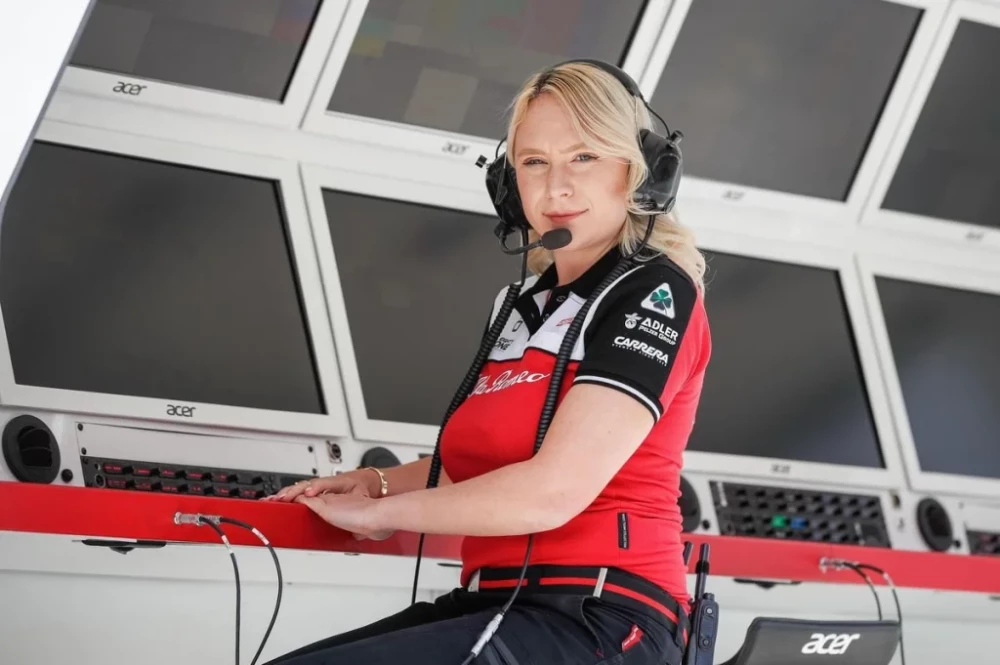
Many engineers work in Formula 1. Yet only a few become widely recognized by fans.
So what sets Ruth Buscombe apart?
First is her communication style. She explains complex strategies in clear language. This ability makes her effective both inside teams and on television.
Second is her calm mindset. Racing environments can become intense. Leaders value people who stay focused when pressure rises.
Finally, she understands the human side of racing. Drivers depend on trust. When a strategist suggests a risky move, the driver must believe in that decision.
Buscombe earned that trust through years of consistent performance.
Lessons Young Engineers Can Learn
The journey of Ruth Buscombe offers useful lessons for aspiring engineers.
Curiosity comes first. Her fascination with racing strategy started long before she entered Formula 1.
Education also matters. Her studies at Cambridge built the technical foundation she needed.
Yet perhaps the most important skill is problem-solving. Engineers must adapt quickly when situations change. Racing provides constant examples of unpredictable challenges.
Young professionals in any industry can learn from this mindset.
You might explore stories of other athletes and innovators as well. For example, the journey of a gymnastic star in this feature on Jordan Chiles and her journey to gymnastics greatness shows how dedication shapes elite performance.
Different fields share similar themes. Talent matters. Yet persistence often matters more.
Strategy Connects Many Sports
Sports may look different on the surface, yet strategy connects them all.
In football, timing matters when scoring opportunities appear. This idea appears in stories like Sydney Leroux’s Most Memorable Goals and Achievements, where quick thinking creates unforgettable moments.
Formula 1 works similarly. A driver’s skill combines with strategic decisions from the pit wall.
Buscombe’s career proves that success often depends on teamwork rather than individual talent alone.
Reliable Sources in the Digital Age
The internet spreads information faster than ever. Fans searching for motorsport news often jump between many websites.
Platforms such as BuzzNewsDaily or Jorbina show how digital publications cover stories across sports and culture. Readers benefit from comparing multiple sources before accepting any claim as fact.
This approach also helps avoid confusion around rumors about public figures.
Careful research builds a clearer picture of someone’s real achievements.
The Future of Strategy in Formula 1
Technology continues to reshape motorsport. Artificial intelligence and predictive analytics now assist race strategists.
However, human judgment still plays a major role. Data models can suggest options. Yet people must interpret those results.
Engineers like Ruth Buscombe remain vital because they combine technical knowledge with instinct. They understand the rhythm of racing and the psychology of drivers.
Future strategists will likely rely even more on advanced simulations. Still, the core challenge remains unchanged.
When a race reaches a critical moment, someone must make the final call.
A Career Built on Fast Thinking
So what can we learn from Ruth Buscombe’s journey? Her story proves that Formula 1 is not only about speed on the track. It is also about intelligence behind the scenes. Engineers analyze data while strategists predict the future of the race.
Every lap creates new possibilities. A single decision may determine victory or defeat. Buscombe built a career around those moments. She studies information quickly and then turns it into clear guidance for teams. Next time you watch a Formula 1 race, consider the unseen experts behind the pit wall.
When the clock is ticking and pressure rises, someone like Ruth Buscombe is already analyzing the situation. And the question remains. When the next split-second decision arrives, will the strategy team make the perfect call?