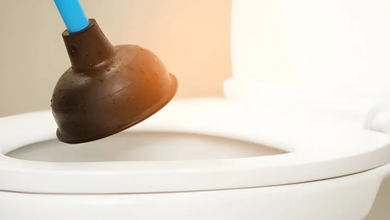
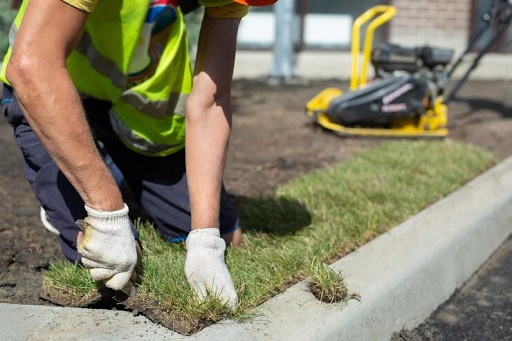
Caboolture homeowners often face a frustrating battle with waterlogged lawns and slow-running pipes. Managing outdoor spaces in South East Queensland requires local knowledge, especially when choosing turf installation services in Brisbane to revitalise soggy yards. While a lush lawn improves street appeal, underlying drainage issues can quickly ruin your investment. Soil compaction, heavy subtropical downpours, and invasive tree roots all contribute to persistent water pooling. When surface water has nowhere to go, it eventually impacts your home’s waste systems. Understanding the connection between your garden’s layout and your plumbing is the first step toward preventing water from pooling around your foundations and causing structural damage.
The Impact of Local Soil and Subtropical Weather Patterns
Caboolture features a high concentration of heavy clay soils that naturally retain moisture and resist drainage. During dry spells, this clay bakes hard, cracking and shrinking. When the heavy summer storms hit, the hardened ground cannot absorb the sudden deluge of water. Instead of soaking into the earth, rainwater pools on the surface, turning pristine yards into muddy swamps. This excess surface water exerts immense hydrostatic pressure on underground pipes. If your property lacks a proper slope, water sits against your home’s foundation, slowly seeping into subfloor areas and causing rising damp. Furthermore, shifting clay soils put physical stress on buried pipes. As the clay expands and contracts with moisture changes, underground sewer and stormwater lines can crack, misalign, or collapse entirely. Once a pipe shifts or cracks, soil enters the line, creating a physical barrier that stops waste from leaving your property. This soil movement is a primary reason why so many residents experience recurring issues with blocked drains in Caboolture. Without addressing the underlying soil structure and surface levels, simply clearing a pipe provides only a temporary fix before the next storm cycle causes another backup. Property owners must look at soil conditioning and aeration to help break up this dense clay layer before planting new lawn.
Invasive Tree Roots and Aging Pipe Infrastructure
The mature trees that give Caboolture its leafy charm also pose a significant threat to underground utility lines. Fast-growing species like eucalyptus and melaleuca have expansive, aggressive root systems that actively seek out moisture. During dry periods, these roots travel long distances, tracking the condensation that naturally forms on the outside of underground pipes. Even the smallest hairline fracture in an old clay or PVC pipe acts as an invitation. Once a tiny root tip finds its way inside, it feeds on the nutrient-rich wastewater, rapidly growing into a dense mass that catches grease, paper, and debris. This root intrusion is a leading cause of severe blocked drains in Caboolture, particularly in older residential pockets where clay pipes remain common. Clay pipes are highly susceptible to cracking at the joints as tree roots wrap around them. While homeowners can use chemical root killers or mechanical drain snakes to clear the blockage temporarily, the roots will inevitably grow back. Often, the only permanent solution involves pipe relining or excavating the old pipes and replacing them with modern, pressure-sealed PVC lines that resist root penetration. Regular camera inspections can identify these root intrusions early, allowing you to take action before a complete blockage floods your bathroom or laundry.
Poor Yard Grading and Landscaping Mistakes
Poorly planned landscaping projects often worsen drainage problems instead of solving them. Many homeowners install raised garden beds, retaining walls, or garden paths without considering how these structures alter the natural flow of rainwater. When you block the natural path of overland water flow, you inadvertently create artificial dams that trap water in your yard. Flat properties are particularly vulnerable to this issue. Without a gentle slope of at least one to two per cent away from the house, water pools against external walls and oversaturates the lawn. This constant waterlogging drowns grass roots, leading to patchiness, weed infestations, and muddy patches that never dry out. To prevent these issues, any major landscape renovation should begin with a professional site level assessment. Professional turf installation services in Brisbane always prioritise correct site preparation, which includes grading the subsoil to ensure water flows toward dedicated stormwater grates rather than pooling in low points. Skipping this essential step means your new turf will likely rot from the roots up within a few months of installation. Properly grading your yard before laying new turf ensures that heavy rainfall moves efficiently off your property, reducing the load on your domestic drainage systems.
Integrated Solutions for Long-Term Drainage Success
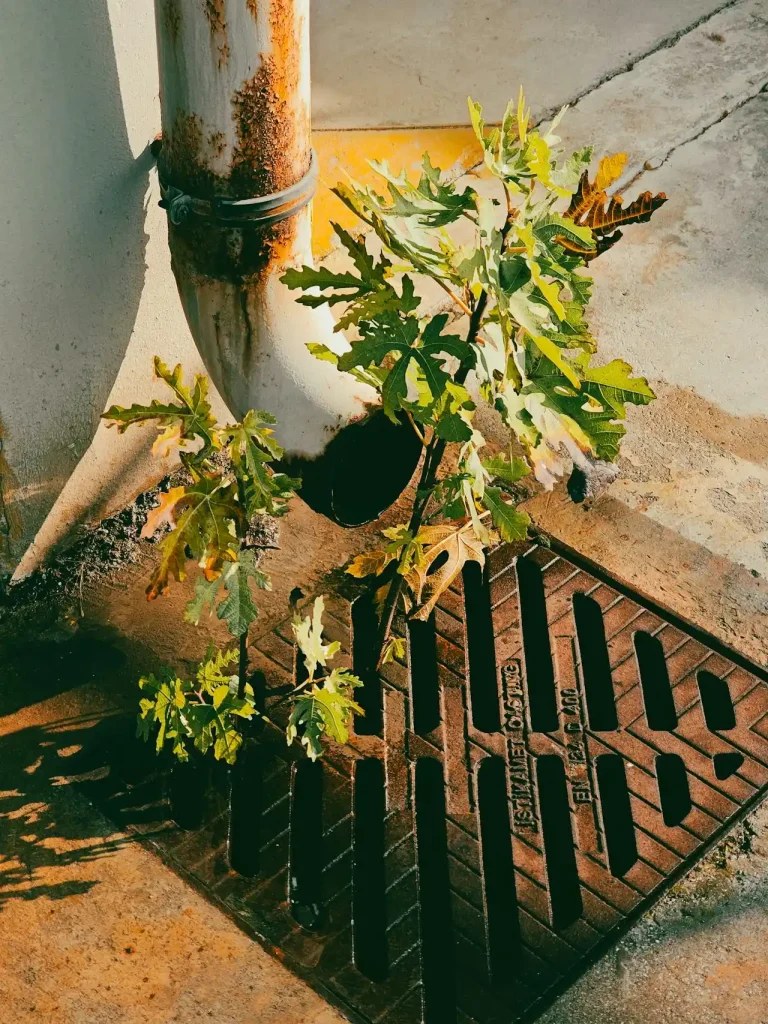
Resolving frequent yard flooding and pipe blockages requires a dual approach that addresses both plumbing infrastructure and surface landscaping. If you only clear your pipes without fixing your yard’s slope, surface water will continue to pool and stress your system. Conversely, laying new turf without checking your underground pipes is a recipe for future excavation work. Homeowners should consider installing agricultural drains, also known as French drains, in low-lying areas of the yard. These gravel-filled trenches collect excess groundwater and direct it safely to the street stormwater system. When preparing your yard for these drainage systems, partnering with experienced turf installation services in Brisbane ensures the final levels match your drainage grates perfectly. Experienced turf layers understand how to prepare the underlay soil, ensuring it remains porous enough to absorb moderate rainfall while directing excess water away from the home. Simultaneously, a licensed plumber should inspect your sewer lines to clear out any stubbornblocked drains in Caboolture. Combining professional pipe clearing with strategic yard levelling creates a resilient property that can easily handle Queensland’s intense summer storm season without flooding your lawn or backing up your plumbing.
Conclusion
Persistent yard flooding and blocked pipes are more than just an inconvenience; they threaten the structural integrity and value of your Caboolture property. By understanding how local clay soils, aggressive tree roots, and poor surface grading work together to trap water, you can take proactive steps to protect your home. Investing in professional landscape preparation and clearing damaged pipes ensures your property remains dry and functional throughout the year. Addressing these issues early saves you money on emergency plumbing call-outs and expensive lawn replacements, giving you a beautiful, healthy yard that stands up to the toughest Australian weather.