Some creators don’t plan to switch printing methods, it happens after a few frustrating orders. A design looks great on screen but loses sharpness after printing. Colors don’t match expectations. Certain fabrics simply don’t cooperate. Over time, these small issues start affecting both confidence and customer satisfaction.
That’s where dtf t-shirt printing begins to stand out. It isn’t just another option in the market, it’s a practical response to everyday problems creators face.
What Makes DTF T-Shirt Printing Work Better for Modern Creators?
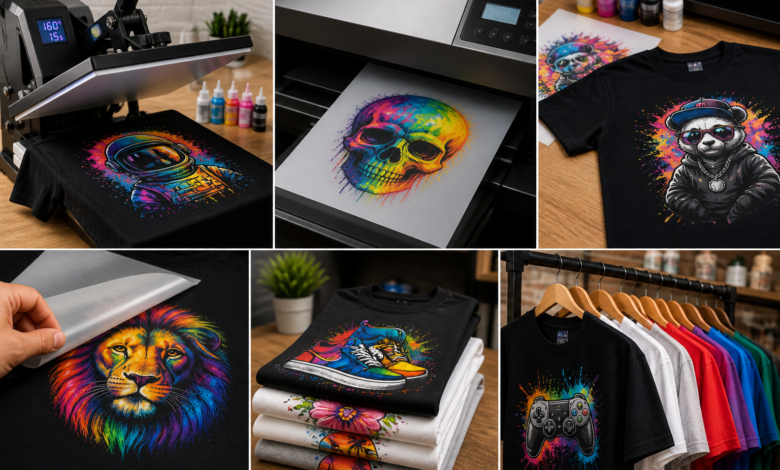
DTF printing changes the process in a simple but effective way. Instead of printing directly on fabric, the design is printed onto dtf film sheets and then heat-pressed onto the garment.
This method gives more control over the outcome. Creators can fine-tune designs before applying them, which reduces errors and improves consistency. Compared to traditional techniques, the process feels more flexible and less restrictive, especially when handling different types of designs.
Can DTF Printing Really Handle Different Fabrics Without Issues?
Fabric limitations are one of the biggest reasons creators look for alternatives. Many printing methods work best on cotton and struggle with other materials.
DTF offers a more adaptable approach. It works well on cotton, polyester, and blends, including darker fabrics that usually require extra steps. This makes it easier to expand product offerings without changing the entire production setup.
For creators exploring custom apparel printing or planning to offer a wider product range, this flexibility makes a noticeable difference.
Do DTF Prints Stay Consistent After Multiple Washes?
Durability is often where printing methods are tested the most. A design that fades or cracks quickly can damage a brand’s reputation.
DTF printing is known for producing strong, flexible prints that hold up well when properly applied. Colors remain vibrant, and details stay intact over time. While results can vary depending on materials and technique, many creators find the consistency reliable enough for regular sales.
This is especially important for those focused on high quality t-shirt printing and long-lasting custom designs.
Is DTF a Good Fit for Small Orders and Custom Requests?
Not every creator operates on bulk production. Many prefer limited runs, custom pieces, or testing new ideas before scaling up.
DTF supports this approach without adding extra cost pressure. Small batch t-shirt printing becomes more manageable because there’s no need for complex setup. Whether it’s one piece or a short run, the process remains efficient.
This makes it a strong option for print on demand t shirts and creators who want to stay flexible with their designs.
How Beginner-Friendly Is DTF T-Shirt Printing?
Getting started in apparel printing can feel complicated, especially with methods that require technical expertise. DTF offers a more accessible starting point.
While it still takes practice to get consistent results, many beginners find it easier to learn compared to traditional printing techniques. It allows new creators to focus more on design and branding rather than dealing with heavy setup or complex procedures.
That’s why people searching for how to start a t-shirt business often come across DTF as a practical option.
Can DTF Help Creators Scale Their Work Without Complications?
As demand grows, creators need a system that doesn’t slow them down. Managing multiple orders, different designs, and quick turnaround times can become challenging.
DTF helps simplify this stage. Designs can be prepared in advance and applied when needed, making the workflow more organized. This approach reduces delays and helps maintain consistent output, even as order volume increases.
It creates a smoother transition from small-scale production to a more structured business.
Is DTF T-Shirt Printing Cost-Effective Over Time?
Cost is always part of the decision, especially for independent creators. While there is an upfront investment in equipment and materials like dtf film sheets, ongoing expenses are often more predictable.
There’s less setup waste, fewer repeated costs, and better control over production. Over time, many creators find that this balance helps them maintain steady margins while delivering quality products.
Why Are More Creators Choosing DTF T-Shirt Printing Today?
The shift toward dtf t-shirt printing isn’t based on hype, it’s based on everyday practicality. Creators want reliable results, more flexibility, and a process that fits their workflow without unnecessary complexity.
DTF offers a way to experiment with designs, work across different fabrics, and manage both small and growing orders efficiently. For many, it simply makes the creative process smoother and more predictable.